
by Kalea Gates | Jul 23, 2026 | Hormone Replacement Therapy, Menopause, Wellness
Many women seeking hormone replacement therapy (HRT) have the same question: Can HRT be covered by insurance?
The answer? Yes.
Many major medical insurance plans cover hormone replacement therapy (HRT) when prescribed to help treat symptoms related to perimenopause and menopause, although coverage can vary based on your insurance plan and benefits.
At HerKare, we believe women should have access to personalized hormone care without the barriers.
Unsure if you’re covered? Our team can help you understand your options and verify insurance benefits before your appointment.
Summary
Many insurance plans may cover hormone replacement therapy (HRT) when it is prescribed to help manage symptoms related to perimenopause and menopause. Coverage depends on your specific provider, plan, and benefits.
HRT coverage can vary based on the type of hormone therapy and your individual healthcare needs. Understanding your benefits before starting treatment can help you know what to expect.
HerKare accepts many major insurance providers and offers personalized hormone replacement therapy (HRT) for women experiencing hormonal imbalances. Our team can help you explore your options and determine whether HRT may be right for you.
Does Insurance Cover HRT for Perimenopause and Menopause?
During perimenopause and menopause, changing estrogen levels can contribute to symptoms that affect your daily life. Hormone replacement therapy or HRT is a treatment that’s recommended to help relieve symptoms by restoring hormones that decline over time.
Common symptoms of perimenopause and menopause include:
- Low libido
- Hot flashes
- Night sweats
- Mood changes
- Unexplained weight gain
- Brain fog
- Irregular periods
Many insurance plans provide coverage for HRT when it is considered medically necessary based on your symptoms. However, coverage can depend on:
- Your insurance provider and plan
- Your deductible and copay
- The type of hormone therapy prescribed
Because every insurance plan is different, it’s important to confirm your benefits before starting treatment.

What Insurance Plans Does HerKare Accept?
HerKare accepts many major insurance providers including:
- Aetna
- Blue Cross Blue Shield
- UnitedHealthcare
- GEHA Standard Option
- Medical Mutual of Ohio
- Meritain Health
- APWU Health Plan
- HealthPartners of Minnesota
- Gravie, PHCS Savility, and Cornerstone Preferred Resources
Coverage may include services like hormone replacement therapy, peptide therapy, GLP-1 weight loss medications, and ongoing lab monitoring.
Insurance acceptance does not guarantee payment or coverage for all treatments. Benefits, deductibles, and copays vary by plan.
Get Started with Insurance-Covered HRT at HerKare
Understanding your hormone health shouldn’t feel complicated. If you’re experiencing symptoms of perimenopause or menopause, or want to better understand your hormone levels, HerKare can help you explore your options and determine whether HRT may be right for you.
With the right support, navigating your hormone health options can be simpler than you think.
Schedule your appointment today to learn more about your hormone health options.
People Also Ask
What qualifies you for HRT?
HRT may be an option for women experiencing symptoms like hot flashes, night sweats, sleep changes, or mood changes. A HerKare provider can review your symptoms and health history to determine if HRT is right for you.
Can I use a Health Savings Account (HSA) or Flexible Spending Account (FSA) for HRT?
Yes, HSA and FSA funds may be used toward hormone replacement therapy at HerKare. HSA/FSA funds may also be used for other services like peptide therapy, weight-loss programs, and more!
Do I need insurance coverage for HRT?
No. Insurance coverage is not required to start HRT at HerKare. We offer self-pay options for women who prefer to pay out-of-pocket. Our team can help you explore your options and find a care plan that works for you.
Do all insurance plans cover HRT?
No. Insurance coverage depends on your specific plan, provider, and type of hormone therapy.
Are bioidentical hormones covered by insurance?
Coverage for bioidentical hormones depends on your specific insurance plan. Some bioidentical hormone therapies may be covered, while others may not be. Check with your insurance provider or HerKare team to better understand your coverage options.
How much is HRT without insurance?
The cost of HRT can vary depending on your treatment plan and insurance coverage. If you don’t have insurance, HerKare also offers self-pay options. Call your nearest HerKare clinic to learn more about pricing and payment options.

by Kalea Gates | Jul 3, 2026 | Hormone Replacement Therapy, Menopause
After many menopause awareness campaigns, Rhode Island has become the first state to introduce workplace protections specifically addressing menopause. This marks a major first step forward in how women’s health is recognized in professional environments.
For decades, menopause has been experienced by millions of working women while remaining unspoken when it came to workplace policy. Symptoms that can significantly affect daily life have been managed quietly, without acknowledgement or accommodation.
Rhode Island policy signals a shift. It opens the door for more conversations about how menopause impacts working women and what support can look like in the workplace.
Why Rhode Island’s Policy Matters
Despite its widespread impact, menopause has historically been missing from workplace policy.
Millions of women continue working full-time through perimenopause and menopause without support systems in place. Until recently, symptoms were often viewed as personal health concerns rather than factors that can affect job performance and workplace experiences.
Rhode Island’s policy recognizes menopause as a workplace health issue and encourages protections that support employees experiencing symptoms that may affect their work performance.
Rhode Island’s move brings more attention to inevitable life changes that have long existed in the background. It also reflects a growing awareness that women’s health deserves recognition in workplace planning, not just private management.
How Menopause Affects Work & Daily Life
Perimenopause and menopause are not just a single symptom. It is a collection of physical, emotional, and cognitive changes driven by shifting hormone levels.
These changes can vary widely from person to person, but many women experience overlapping symptoms that impact both daily life and work performance.
Symptoms of perimenopause and menopause include:
- Irregular menstrual cycles
- Mood swings
- Hot flashes
- Night sweats
- Sleep disturbances
These symptoms can translate into reduced concentration and lower energy levels that carries into the workday. For many women, this is often mistaken for stress, burnout, or aging rather than a hormonal transition.
Where Hormone Replacement Therapy (HRT) Comes In
Menopause primarily happens when your key hormones, estrogen, progesterone and in some cases, testosterone, begin to decline.
Hormone replacement therapy or HRT is a treatment option that may help support women experiencing the symptoms of perimenopause or menopause.
It is important to note that hormone replacement therapy is not a one-size-fits-all treatment. Treatment depends on you as an individual, which is why HerKare takes pride in personalization.
How HerKare Supports Women through Menopause
HerKare provides personalized hormone therapy designed to support women navigating perimenopause and menopause. Through comprehensive hormone testing, one-on-one provider consultations, and ongoing monitoring and treatment adjustments, care is built around each patient’s unique profile.
Menopause care is not just about managing symptoms. It’s about understanding how hormonal changes affect the whole person and creating a plan that evolves over time.
If menopause symptoms are affecting your energy, focus, sleep, and overall quality of life, you do not have to navigate those changes alone.
Schedule your consultation and take control of your hormone health today.
People Also Ask
Why is menopause becoming a workplace issue?
More women are pushing through symptoms of perimenopause and menopause in the workplace making symptom management an important workplace issue. Policies like Rhode Island’s reflect growing awareness of this impact.
Can HRT help with menopause symptoms at work?
Yes. HRT can help improve symptoms of menopause, which can indirectly improve focus and daily functioning at work.
What helps with menopause symptoms besides HRT?
Lifestyle changes like improving sleep habits, managing stress, and diet may bring some relief.
State of Rhode Island General Assembly
by Kalea Gates | May 8, 2026 | Hormone Replacement Therapy, Menopause
The popularity of hormone replacement therapy, specifically for women, has skyrocketed over the past few years. For women experiencing life stages like perimenopause or menopause, this popularity has come with a lot of positive outcomes like the FDA removing the black box warning that used to come with hormone replacement therapy.
With these warnings gone, it gave women peace of mind when it came to treatment and erased fears for women wanting to try HRT.
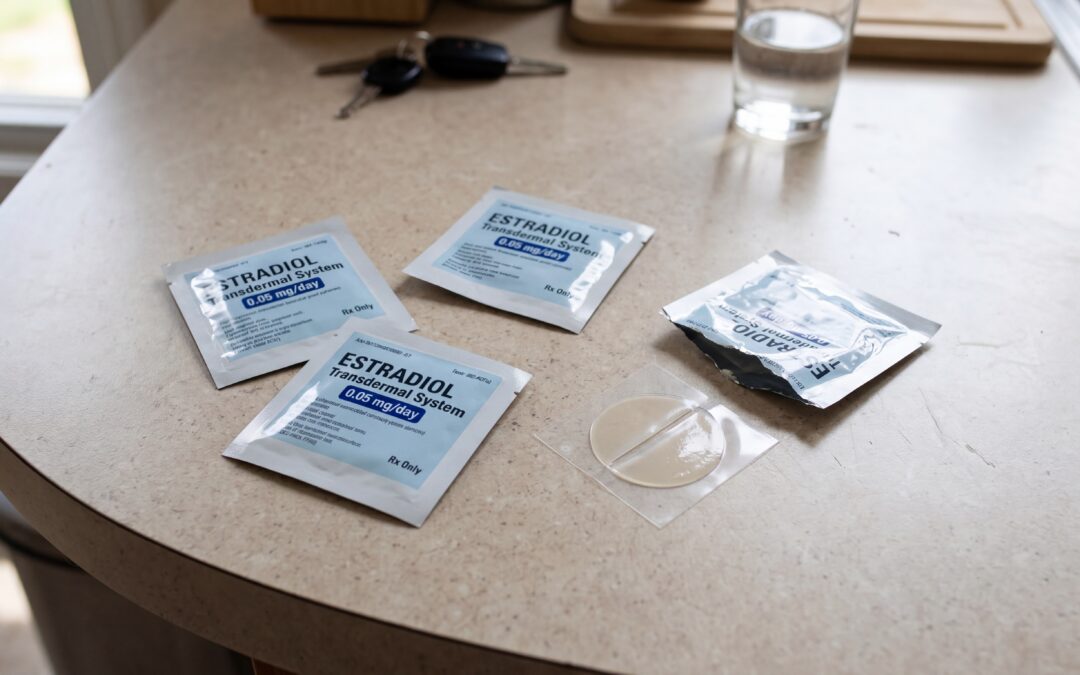
But, in recent news, the estrogen patch, a method of hormone replacement therapy, has been experiencing a shortage.
This is a frustrating moment for women who rely on estrogen patches as their method of HRT. But don’t worry, there are other effective alternatives available so you can stay on track and maintain treatment.
But what is causing this shortage in the first place?
Summary
The estrogen patch shortage is being driven by rising demand and supply chain issues. Hormone replacement therapy use has increased significantly in recent years, with estrogen patches making up a large share of prescriptions. At the same time, global supply challenges have made production and distribution more difficult. Estrogen patch availability is expected to remain limited into 2026 and possibly longer.
Despite the shortage, hormone therapy can still continue with alternative options. Women are not out of treatment options, and many can safely transition to other forms of hormone therapy. A HerKare, provider can help guide women switch methods without stopping care. The goal is to maintain symptom relief and avoid interruption of care.
There are several HRT alternatives are available. At HerKare, we have a multitude of alternatives to choose from. This includes, oral estrogen, transdermal creams and gels, hormone pellets, and vaginal suppositories. A provider can help determine the most appropriate fit for you.
Do not stop therapy is you are experiencing issues accessing estrogen patches. Instead, you should consult a provider to safely switch to another option. At HerKare, we believe that personalized care ensures continued hormonal balance and symptom management throughout the shortage.
Why Estrogen Patches Are in Short Supply
The estrogen patch shortage is the result of several factors including popularity, demand, and tariffs.
Since 2021, the number of women being prescribed hormone replacement therapy has increased by 86%, and 50% of those prescriptions were for estrogen patches. Wow!
And with many of the ingredients used to create estrogen patches coming from overseas, factors like trade wars, tariffs, and weather play a huge role in getting products to pharmacies on time.
The estrogen patch shortage is being felt worldwide, and it’s predicted to continue through the end of 2026. Some manufacturers are warning that the increase in demand could extend the shortage for up to three years.
Despite the shortage, women are not out of options! There are still many ways for you to continue your hormone journey.
Who Is Most Affected
- Women who are currently using estrogen patches for HRT
The most impacted group during this shortage are women who are currently using estrogen patches to manage symptoms of perimenopause or menopause. When refills become delayed or unavailable, concern about symptoms returning or interruptions in treatment are valid feelings.
- Women who prefer transdermal therapy specifically
Some women have a preference for transdermal (absorbed through the skin) estrogen over any other method. This shortage could mean going through trials to find another alternative that you prefer.
This shortage is affecting women in different ways, but luckily, most women are still able to continue hormone replacement therapy with the right alternative.
At HerKare, we pride ourselves on personalization. One size never fits all and that is why we have a multitude of hormone replacement therapy methods to choose from.
While the current shortage feels scary, this does not mean your treatment has to stop.
HRT Alternatives to the Estrogen Patch
The current shortage does not mean you need to pause or interrupt your hormone therapy.
The right alternative depends on you, and a HerKare provider is always ready to help you determine the best fit.
Alternatives include:
- Oral Estrogen (Pill)
Oral estrogen, the pill, is the traditional method of hormone therapy. Taken by mouth, usually once a day, it can be effective for managing symptoms that come with perimenopause and menopause. For some, the oral option is a simple and convenient option, although it may not be right for everyone depending on medical history.
- Transdermal Creams and Gels
Estrogen creams and gels are applied directly to the skin and absorbed gradually into the bloodstream. Like patches, these options offer another way to deliver steady hormone levels without taking a daily pill.
- Pellets
Hormone pellets are a long-acting option that gets placed under the skin in a quick in-office procedure. Once inserted, pellets release a steady dose of hormones over several months, reducing the number of in-clinic visits. Pellets are personalized based on your needs and dosage.
- Vaginal Suppositories
Vaginal estrogen therapy is designed to treat localized symptoms like vaginal dryness, discomfort, and urinary changes that may come with menopause. Vaginal suppositories deliver estrogen directly to the problem area. They are often used on their own or alongside other hormone therapy options for more symptom relief.
There are still multiple ways to continue hormone therapy without losing progress.
Get Support Navigating the Estrogen Patch Shortage
If you are currently having problems accessing your prescription, it is important to reach out to your provider rather than stopping therapy completely. It is possible to transition smoothly to an alternative option with guidance.
You still have options, and we’re here to help you find the right fit.
For women affected by the estrogen patch shortage, call or book an appointment to speak with a HerKare provider about your options today.
FDA’s 2025 removal of black box warnings on menopausal hormone therapy – PMC
Hormone Replacement Therapy Prescriptions for Women Up 72% Since 2021
Drug Shortage Detail: Estradiol Transdermal System

by Kalea Gates | Apr 30, 2026 | Hormone Replacement Therapy, Menopause
Women often begin noticing changes in their body long before they receive clear answers.
For many, this leads to searching for explanations online, going down rabbit holes or assuming it must be perimenopause. While that can sometimes be the case, symptoms alone do not always tell the full story.
Hormone changes are complex, which is why clarity matters. Before jumping to conclusions, it is important to understand what is actually going on inside your body.
Summary
Hormone therapy is not one-size-fits-all. Every woman’s hormone levels and symptoms are different, which is why comprehensive hormone testing is important before beginning treatment. Testing helps creates a personalized treatment plan designed around your body’s specific needs.
Relying on online symptom checklists, quizzes, or self-diagnosis can lead to confusion and ineffective treatments. Two women may experience similar symptoms but require completely different care based on what their lab results reveal. Proper testing allows for clearer insight into what may actually be contributing to symptoms.
Comprehensive hormone testing can help reduce the risk of over or under dosing, metabolic complications, and unwanted side effects. Monitoring hormone levels allows providers to make informed treatment decisions and adjust care when needed.
At HerKare, our Comprehensive Hormone Test is designed to provide a deeper look into your overall hormone and metabolic health. With testing alongside personalized provider guidance, women can move beyond guesswork and take a more informed approach when it comes to their hormone health.
What is Hormone Therapy
Hormone therapy, or hormone replacement therapy (HRT), is a treatment that replaces the hormones your body stops making. Your body can stop making hormones at any time or for any reason, like menopause.
Hormone replacement therapy works through a multitude of methods to deliver 3 main hormones: progesterone, estrogen, and testosterone. These hormones can help relieve symptoms like:
• Fatigue
• Hot flashes
• Night sweats
• Changes in mood
• Low libido
But for hormone therapy to deliver results, testing is essential to understand the root of your imbalance and guide the best treatment plan for you.
Why So Many Women Turn to Self-Diagnosis
One of the most misconceptions is that symptoms like fatigue, weight changes, mood shifts, and brain fog automatically mean perimenopause has started. Whilst this is sometimes true, it is not the only explanation. In some cases, symptoms can overlap with other hormone imbalances including chronic stress, insulin resistance, or nutrient deficiencies.
Another misconception is that hormonal changes can be identified without a test. Because hormone levels naturally fluctuate constantly, symptoms can often look similar even when the underlying problem is very different.
Relying on symptoms alone can lead to confusion and misdirected care. Two women may experience the same symptoms but require completely different treatment approaches based on what their lab results reveal.
Understanding what is actually happening inside the body is the key to effective treatment, and that starts with proper testing rather than assumptions.
The Importance of Hormone Testing
The short answer is yes; hormone testing is needed and essential to your hormone journey, and it’s not just a normal blood test.
Every woman is unique. Your imbalance may not be the same as another person’s imbalance; therefore, treatment will be different.
Hormone therapy is not one-size-fits-all, and testing ensures that.
Hormone testing can prevent:
- Over or under dosing
Testing will ensure that the dosage you get is right for you. Overdosing can lead to high hormone levels, which can make symptoms like hot flashes and fatigue worse. Underdosing can lead to low hormone levels, meaning there will be little to no changes in symptoms.
- Metabolic issues
No testing can lead to a shift in your metabolic health, which can lead to insulin resistance (which can put you at risk for diabetes), an increased risk of developing heart disease, and weight fluctuations.
- Severe side effects
Regular testing can detect issues early, like severe mood swings, breast soreness, and acne.
This is why hormone testing matters so much and should never be skipped, and if it is, it’s important to be cautious of that approach.
Let’s Clear the Air About Guessing Your Hormone Health
- Myth: “I’m probably in perimenopause because my symptoms match what I read online.”
While online symptom lists can be helpful for awareness, they are not diagnostic tools! Many women compare their experiences to what they read and assume they have the answer, but hormonal patterns are very unique to the individual.
- Myth: “If I’m in my late 30’s or 40’s, it must be perimenopause.”
While perimenopause often starts in this age range, age alone cannot confirm hormonal status. Some women can experience symptoms earlier or later; others may be experiencing symptoms unrelated to hormonal changes that appear in similar ways.
- Myth: “If my symptoms feel real, I don’t need testing to validate them.”
What you are feeling is always valid, but they do not always point to a single cause. Testing is not about proving whether your symptoms are real; it is about identifying why they are happening so treatment can be effective.
Don’t Guess, HerKare Has the Answers
Your hormone health should never be based on guesswork or an online quiz. With the right testing and insight, you can get clear answers and a personalized path forward.
Right now, for a limited time, HerKare is bringing back Comprehensive Hormone Testing so you can take control of your hormone health.
Our Comprehensive Hormone Test includes a 65+ biomarker panel, lipid and metabolic panel, Autonomic Nervous System (ANS) testing, an InBody body composition scan, and a consultation with a HerKare provider.
You deserve clarity and support, and getting real answers is often the first step toward feeling like yourself again. Call or book an appointment to speak with a HerKare provider today.
Effect of menopausal hormone therapy on components of the metabolic syndrome – PMC
Hormone Replacement Therapy (HRT)

by Kalea Gates | Apr 10, 2026 | Hormone Replacement Therapy, Menopause
When people think about insulin resistance, most have the assumption that insulin resistance is only about food or body fat. While true, this is not the whole story.
Even if your diet and weight don’t change, your body can naturally become more insulin resistant, especially during menopause. This is why you may notice new sugar cravings or an increase in belly fat.
To understand why this happens, let’s start from the top.
Summary
Insulin resistance often increases during menopause due to hormonal changes like a decrease in estrogen. Even if diet and weight stay the same, the body may become less efficient as using insulin.
Estrogen plays an important role in how the body responds to insulin and regulates blood sugar. As estrogen levels drop during menopause, insulin sensitivity decreases, making it harder for your body to absorb glucose effectively.
Symptoms like increase cravings, fatigue, and weight gain are linked to a reduction in insulin sensitivity. Poor sleep and stress can also worsen insulin resistance during menopause.
If left unmanaged, insulin resistance can increase the risk of more serious health conditions. Overtime, it may contribute to prediabetes, type 3 diabetes, and cardiovascular issues. Early awareness and monitoring are important for prevention.
Hormone replacement therapy or HRT may help improve insulin sensitivity in some women. By restoring estrogen levels, HRT can help support better blood sugar regulation.
What is Insulin Resistance?
Insulin resistance is when your body stops responding to insulin the way it should. Insulin’s main job is to help move sugar from your blood and into your body for energy.
When your cells don’t respond properly to the insulin, sugar begins to build up in your blood leading to high blood sugar levels. If not treated, overtime this can lead to prediabetes, and even type 2 diabetes.
The important thing to know is that insulin resistance can affect anyone, but luckily, there are ways to reverse it.
Insulin Resistance and Estrogen
Estrogen is one of the primary sex hormones in women and plays a huge role in metabolic health. Beyond regulating the menstrual cycle, estrogen helps support things like cholesterol, bone health, and even your mood.
As estrogen levels begin to fall, especially during menopause, you may start to experience symptoms like:
But behind the scenes, estrogen is playing another role.
Estrogen is also responsible for helping your body stay sensitive to insulin. So, as estrogen levels drop, the risk of insulin resistance goes up.
On top of that, menopause symptoms like poor sleep and stress can make things worse. Both of these symptoms can raise blood sugar levels and worsen insulin resistance.
Signs of Insulin Resistance
Insulin resistance isn’t always obvious, but some common signs include:
- Darkened skin in the armpits, back, or sides of the neck
- Increased hunger and thirst
If you’re experiencing any of these symptoms, it is important to speak with a healthcare provider.
How HRT can Improve Insulin Resistance
For many women, hormone replacement therapy is an option that can greatly improve insulin resistance.
Studies have shown that HRT can reduce insulin resistance whilst also lowering the risk of type 2 diabetes by lowering blood sugar levels.
By replenishing your body with estrogen through HRT, it may help how your body responds to insulin and support healthier blood sugar levels overall.
Care that Listens
At HerKare, we focus on helping women get their hormones back in balance with personalized HRT plans.
Feeling like yourself again is possible, and it starts with the right support.
Book an appointment today to learn more about insulin resistance and if hormone replacement therapy is right for you.
Analysis of the Degree of Insulin Resistance in Post Menopausal Women by Using Skin Temperature Measurements and Fasting Insulin and Fasting Glucose Levels: A Case Control Study – PMC
Insulin Resistance: What It Is, Causes, Symptoms & Treatment
The link between menopause and diabetes | Ohio State Health & Discovery
The Role of Estrogen in Insulin Resistance – The American Journal of Pathology
Optimizing hormone replacement therapy for postmenopausal women with type 2 diabetes: a review

by Kalea Gates | Mar 31, 2026 | Hormone Replacement Therapy, Menopause
Nerve pain is a lesser-discussed symptom when it comes to talking about menopause. It often gets overshadowed by hot flashes and night sweats, leading to many women shaking these symptoms off as just responses to stress.
Nerve pain often becomes more common during the menopausal transition, and increasing awareness is key to addressing and relieving this symptom.
Summary
Menopause does not directly cause nerve pain, but hormonal changes can contribute to it. As estrogen levels decline, nerve function and signaling can become disrupted, which may lead to symptoms like tingling, burning, or numbness. Then changes are often more noticeable during perimenopause and menopause transitions.
Estrogen plays a key role in protecting and supporting the nervous system. It helps maintain healthy nerve communication, and when levels drop, nerves may send incorrect pain signals. This can cause feelings of “electric shocks,” pins and needles, or crawling skin feelings.
Symptoms may come and go, and can range from mild tingling to more persistent discomfort in areas including the hands, feet, arms, and legs.
Other factors may also contribute to nerve pain during menopause. These include conditions like medical conditions, nerve compression, or other non-hormonal issues. Proper evaluation is important to rule out other causes.
Treatment options often focus of a combination of lifestyle and medical support. Exercise, nutritional support, and in some cases hormone replacement therapy (HRT).
Can Menopause cause Nerve Pain?
Let’s cut right to the chase. Does menopause cause nerve pain and if so, are you at risk? Menopause itself may not cause nerve pain directly, but with levels of estrogen becoming lower during menopause, this can contribute to its development. Studies have also shown that women experiencing perimenopause may also be prone to developing nerve pain.
The Role of Estrogen
Estrogen is one of the two major sex hormones that women produce, responsible for all the major milestones like puberty, monthly cycles, pregnancy, and menopause. Estrogen also affects cardiovascular health, brain function, and the strength of your bones.
When entering menopause, the ovaries stop producing high levels of estrogen. And when estrogen gets low, you can start to experience:
- Hot flashes
- Night Sweats
- Irregular periods
- Fatigue
- Nerve Pain
The Role of Estrogen in Nerve Health
Nerve pain or neuropathic pain happens if your nervous system malfunctions or gets damaged. These damaged nerve fibers send the wrong signals of pain to different parts of your body resulting in pain in places like:
- Organs
- Arms
- Legs
- Fingers and toes
Estrogen is responsible for maintaining a protective coating around them which supports the communication between nerves. When estrogen drops, nerve communication gets disrupted. This shows itself as:
- Burning or crawling skin sensation
- “Electric shocks” or frequent “zaps”
- Tingling or numbness in the hands and feet
Nerve pain can be caused by other conditions. It is important to speak with a provider about the symptoms you are experiencing.
Ways to Manage Nerve Pain
Yes, nerve pain sounds terrifying, but don’t worry, there are many ways to manage and eliminate symptoms.
- Lifestyle Adjustments
Developing and maintaining a regular exercise schedule along with eating fresh fruits and vegetables can help manage symptoms, as well as limiting alcohol intake and quitting smoking.
- Nutritional Support
Increasing your intake of B12 and magnesium through foods that are rich in them or adding a vitamin to your daily routine can help in aiding nerve pain.
- Hormone Replacement Therapy
Hormone replacement therapy or HRT is a medical treatment that can help stabilize hormone levels leading to a reduction in nerve pain symptoms.
Find Relief with HerKare
At HerKare, hormone replacement therapy or HRT is an option when it comes to eliminating the symptoms of nerve pain.
Nerve pain can affect your overall quality of life, making it hard to enjoy the things you used to. Estrogen replacement therapy can help you feel like you again.
We are here to listen. If you want to learn more about how hormone replacement therapy can help nerve pain, schedule an appointment today.
Estrogen: Hormone, Function, Levels & Imbalances
Neuropathic Pain (Nerve Pain): What It Is, Causes & Symptoms
https://www.ncbi.nlm.nih.gov/pmc/articles/PMC5296423