
by SXHH Marketing | Sep 9, 2025 | Hormone Replacement Therapy, Menopause, Sleep, Uncategorized, Wellness
Hormone changes can leave you feeling tired, unfocused, or not quite yourself. At HerKare, we help women restore balance and vitality with hormone replacement therapy (HRT), designed to support energy, mood, bone health, and sexual wellness. And right now, every *free* consultation also enters you into the TRT MVP Giveaway, your chance to win signed memorabilia, tickets, and more this season.
1. Restoring Energy & Vitality
Declining estrogen during perimenopause and menopause can trigger fatigue, hot flashes, and poor sleep quality. These changes affect day-to-day energy and long-term wellness.
-
HRT restores estrogen levels, which can improve sleep, reduce hot flashes, and increase daytime energy.
-
Research shows that women on HRT report higher vitality and improved quality of life compared to untreated peers.
With restored hormone balance, many women feel more energized and capable of meeting daily demands.
2. Supporting Mood & Mental Clarity
Hormonal changes can contribute to mood swings, anxiety, and “brain fog.”
-
The North American Menopause Society (NAMS) notes that estrogen therapy can help improve mood and cognitive symptoms in some women.
-
Clinical studies have shown reduced depressive symptoms and improved mental clarity in women using HRT during menopause.
HRT may not replace lifestyle approaches like stress management, but it provides an important foundation for emotional stability.
3. Sexual Health & Confidence
Low hormones often impact intimacy—leading to vaginal dryness, pain with intercourse, or decreased libido.
-
Estrogen therapy restores vaginal tissue health, improves lubrication, and relieves discomfort.
-
In some cases, adding low-dose testosterone has been shown to improve sexual desire and arousal in women experiencing hypoactive sexual desire disorder (HSDD).
-
Restored sexual wellness often translates to greater confidence and improved quality of life.
4. Bone Health & Physical Resilience
Estrogen plays a critical role in maintaining bone density. After menopause, the rapid drop in estrogen accelerates bone loss, increasing the risk of osteoporosis.
-
HRT has been shown to significantly reduce bone loss and fracture risk in postmenopausal women.
-
By strengthening bone mineral density, HRT helps preserve physical resilience and long-term independence.
5. The Role of Androgen Therapy for Women
Though HRT is most often estrogen-plus-progestogen, some women may also benefit from small amounts of testosterone therapy.
-
Studies show that low-dose testosterone in women can improve energy, sexual function, and muscle tone, though research on long-term safety continues.
-
For some women, this carefully tailored addition helps restore performance across physical, emotional, and sexual health.
Why Women Choose HerKare
At HerKare, our providers focus on personalized hormone care that addresses your whole health:
-
Comprehensive labs and medical evaluation.
-
Custom-tailored HRT plans (estrogen, progesterone, and/or testosterone when appropriate).
-
Ongoing monitoring to ensure safety and results.
And this season, every free consultation enters you into the TRT MVP Giveaway, your chance to win signed sports memorabilia, game tickets, and more.
Book your free HRT consultation today at your nearest HerKare clinic and take the first step toward feeling balanced, confident, and strong again.
References
-
The North American Menopause Society. “The 2022 Hormone Therapy Position Statement.” Menopause. 2022.
-
NIH: National Institute on Aging. “Menopause: Medicines to Help You.” 2021.
-
Mayo Clinic. “Hormone Therapy: Is it right for you?” 2022.
-
Rossouw JE, et al. “Risks and benefits of estrogen plus progestin in healthy postmenopausal women.” JAMA. 2002.
-
Kingsberg SA, et al. “Global Consensus Position Statement on the Use of Testosterone Therapy for Women.” Climacteric. 2019.
-
Cauley JA, et al. “Effects of Estrogen Replacement Therapy on Bone Mineral Density in Postmenopausal Women.” NEJM. 2003.
-
Santoro N, et al. “Menopausal symptoms and hormone therapy use in women.” Endocr Rev. 2015.

by SXHH Marketing | Aug 28, 2025 | Hormone Replacement Therapy, Wellness
This fall, HerKare is proud to team up with SynergenX and Low T Center to offer the TRT MVP Campaign, a fun way for patients to take charge of their health and have the chance to win prizes along the way. The campaign runs from September 1 through December 31, 2025, and it’s open to both men and women.
Whether you’re interested in testosterone replacement therapy (TRT) or hormone replacement therapy (HRT), your consultation could be your ticket to weekly, monthly, and even grand prize drawings.
How to Enter
New Patients (Women & Men)
-
Schedule and complete a free, 15-minute consultation for HRT or TRT at HerKare, SynergenX, or Low T Center.
-
Book through the official entry form at www.trtmvp.com to qualify.
Existing Patients
-
Follow HerKare, SynergenX, or Low T Center on Instagram or Facebook.
-
Share the official TRT MVP Campaign post to your Feed or Stories.
-
Tag or mention HerKare, SynergenX, or Low T Center in your post to complete the entry.
💡 Tip: The earlier you enter, the more chances you’ll have to win. One entry is good for the entire campaign.
What You Could Win
Over the course of the campaign, we’ll award up to 180 prizes, including:
-
Weekly Prizes: Gift cards and smaller signed memorabilia
-
Monthly Spotlight Prizes: Larger memorabilia items
-
Grand Prizes: Sports tickets (local, semi-pro, or professional, chosen at Sponsor’s discretion)
⚠️ Please note: Memorabilia is provided as-is and may not include certificates of authenticity.
Winner Notifications
-
Winners will be selected randomly from all eligible entries.
-
Drawings will occur weekly and monthly throughout the campaign.
-
Winners will be notified by email or text and must respond within 7 business days to claim their prize.
Important Details
-
No purchase necessary. Free entry is available.
-
Open to U.S. residents 24 years and older.
-
Employees, officers, and directors of HerKare, SynergenX, or Low T Center (and their immediate families) are not eligible.
-
This giveaway is not sponsored, endorsed, or affiliated with the NFL, NBA, MLB, NHL, NCAA, or any professional sports team or league.
Take the First Step
At HerKare, we believe in helping women feel their best through personalized, supportive care. This campaign is about more than prizes—it’s about taking the time to focus on your health.
Schedule your free HRT consultation today, and you’ll also secure your entry into the TRT MVP Giveaway.
Get started now at www.trtmvp.com
by SXHH Marketing | Aug 26, 2025 | Aesthetics, Hormone Replacement Therapy, Sleep, Weight Loss, Wellness
At HerKare, we understand that hormone symptoms often don’t tell the whole story. Fatigue, mood changes, brain fog, weight fluctuations—these can all be linked to hormones, but they may also be influenced by how your body’s systems work together. That’s why we go beyond standard lab work and use advanced testing, including Autonomic Nervous System (ANS) evaluations, to help us see the bigger picture of your health.
What Is ANS Testing?
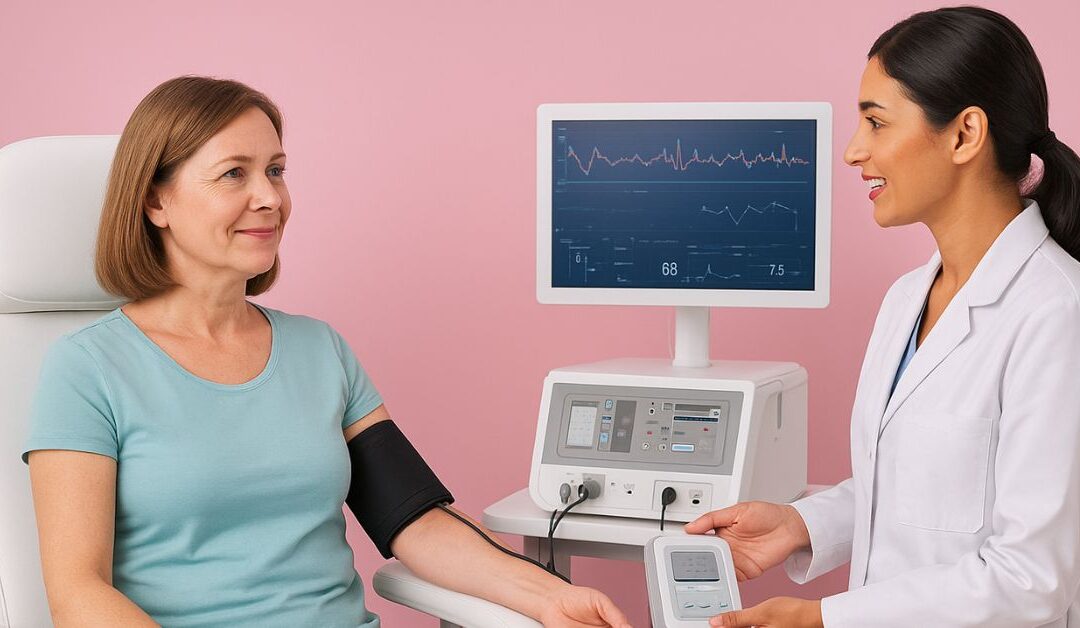
Your Autonomic Nervous System (ANS) controls many automatic functions in your body, such as heart rate, blood pressure, and how you respond to stress. ANS testing is quick, non-invasive, and gives us valuable information about how well your body regulates these functions.
For women experiencing hormone imbalance, menopause, or perimenopause, ANS testing helps us identify how these changes may be affecting your overall health—not just your lab results.
Why It’s Important for Women’s Hormone Therapy
Hormones don’t act in isolation. They work within your entire body’s system. By combining ANS results with hormone labs, we can:
-
Personalize Care – Create treatment plans tailored to your unique physiology.
-
Support Safety – Identify potential concerns before starting therapy.
-
Improve Outcomes – Fine-tune hormone therapy to match your body’s needs more precisely.
This approach helps ensure that your treatment isn’t a one-size-fits-all prescription, but a plan that truly supports your health and well-being.
The HerKare Difference
We know women want answers—and solutions that actually work. At HerKare, our providers use advanced testing like ANS evaluations to go deeper into the “why” behind your symptoms. This gives us the information we need to provide thoughtful, personalized care that helps you feel more like yourself again.
Because at HerKare, your health is more than just numbers on a chart—it’s about your quality of life.
People Also Ask
What is ANS testing at HerKare?
ANS testing measures how your nervous system regulates important functions like heart rate and blood pressure. It helps us better understand your overall health in relation to hormone balance.
Is ANS testing safe and quick?
Yes. It’s non-invasive, takes only a few minutes, and gives providers valuable insight to guide your care.
Do I need ANS testing before hormone therapy?
At HerKare, yes. We include ANS testing as part of our comprehensive evaluation, ensuring your treatment is tailored to your full health profile.
How does this help with menopause or perimenopause care?
By looking beyond hormone levels, we can see how your body responds to changes, helping us adjust your therapy for maximum comfort and results.
Book your consultation today and see what HerKare can do for you.

by SXHH Marketing | Jul 1, 2025 | Uncategorized
This Fourth of July, as fireworks fill the night sky and families gather to celebrate, we at HerKare are reminded of the importance of freedom in all its forms. Independence Day is a time to honor the courage, sacrifice, and vision that shaped our nation’s path. It is a day to reflect on what freedom means to each of us and to express gratitude for the opportunities and choices it allows.
For many women, freedom also means having the confidence and strength to live life fully, to pursue goals, nurture relationships, and care for themselves along the way. At HerKare, we see every day how health and well-being empower women to show up for their families, careers, and dreams with clarity and purpose.
This holiday is a time to gather with loved ones, share laughter, good food, and create memories that will carry us through the year ahead. It is also a moment to pause and appreciate the journey we have taken and the progress yet to come, for ourselves, our communities, and our country.
As you celebrate this Fourth of July, we hope you feel surrounded by love, joy, and gratitude for the freedoms you hold dear. We extend our heartfelt thanks to those who serve and have served to protect these freedoms, and we honor your dedication and sacrifice.
From all of us at HerKare, have a safe, peaceful, and happy Independence Day. May it be a day of reflection, celebration, and hope for the future.
Happy Fourth of July.

by SXHH Marketing | Jun 9, 2025 | Uncategorized
At HerKare, we understand that your health journey is personal—and managing it should be simple. That’s why we’re excited to announce the launch of the new SynergenX Mobile App, powered by SynergenX, HerKare and Low T Center, available now as a free download on the Apple App Store and Google Play.
Whether you’re navigating hormone replacement therapy (HRT), menopause symptoms, or other wellness treatments, the SynergenX app puts your care right at your fingertips. It’s your all-in-one solution for managing appointments, connecting with your provider, and staying on track with your health—on your schedule.
Features of the SynergenX Mobile App
The SynergenX app is designed to support your care every step of the way. With it, you can:
-
Book appointments quickly, without calling the office
-
Check in early and reduce your time spent in the waiting room
-
Fill out forms securely from your phone—no printing required
-
View your lab results as soon as they’re available
-
Order supplements right from the app
-
Receive appointment reminders so nothing slips through the cracks
-
Set medication alerts to stay consistent with your treatment
-
Connect with your provider using secure telemedicine options
Whether you’re a patient at HerKare, SynergenX, or Low T Center, this app gives you more control, more access, and more peace of mind.
Why It Matters
Your care should be as seamless and personalized as your treatment plan. The SynergenX app helps remove barriers to hormone health by giving you quick access to your results, providers, and scheduling—all from your smartphone. It’s designed to help you stay in control and feel supported every step of the way.
FAQs
Q. Who can use the SynergenX app?
A. The SynergenX app is available to all patients of SynergenX, Low T Center, and HerKare. Whether you’re receiving testosterone therapy, HRT, weight loss support, or peptide treatment, the app is designed to help you manage your care with ease.
Q. What can I do with the SynergenX app?
A. With the app, you can:
- Book or reschedule appointments
- Check in before your visit
- View lab results
- Complete forms electronically
- Order supplements
- Set reminders for medications and appointments
- Access telemedicine visits
- View educational resources and more
Q. Is my medical information secure in the app?
A. Yes. The SynergenX app is fully HIPAA-compliant and uses secure technology to protect your health data and privacy at every step.
Q. Can I use the app for telemedicine visits?
A. Absolutely. The app makes it easy to schedule and attend telemedicine appointments with your provider, from anywhere with a secure internet connection.
Q. Do I still need to call the clinic?
A. You’re always welcome to call, but the app is designed to give you more independence and convenience. From booking visits to checking results, most routine tasks can be handled directly through the app.
Q. What if I need help using the app?
A. If you have questions or run into any issues, our support team is here to help. Call your clinic location or email our support team directly through the app’s help section.
Download the App
Ready to make your health a little easier to manage?
With the SynergenX App, your hormone health is in your hands, whenever and wherever you need it.