
by Kalea Gates | Jul 23, 2026 | Hormone Replacement Therapy, Menopause, Wellness
Many women seeking hormone replacement therapy (HRT) have the same question: Can HRT be covered by insurance?
The answer? Yes.
Many major medical insurance plans cover hormone replacement therapy (HRT) when prescribed to help treat symptoms related to perimenopause and menopause, although coverage can vary based on your insurance plan and benefits.
At HerKare, we believe women should have access to personalized hormone care without the barriers.
Unsure if you’re covered? Our team can help you understand your options and verify insurance benefits before your appointment.
Summary
Many insurance plans may cover hormone replacement therapy (HRT) when it is prescribed to help manage symptoms related to perimenopause and menopause. Coverage depends on your specific provider, plan, and benefits.
HRT coverage can vary based on the type of hormone therapy and your individual healthcare needs. Understanding your benefits before starting treatment can help you know what to expect.
HerKare accepts many major insurance providers and offers personalized hormone replacement therapy (HRT) for women experiencing hormonal imbalances. Our team can help you explore your options and determine whether HRT may be right for you.
Does Insurance Cover HRT for Perimenopause and Menopause?
During perimenopause and menopause, changing estrogen levels can contribute to symptoms that affect your daily life. Hormone replacement therapy or HRT is a treatment that’s recommended to help relieve symptoms by restoring hormones that decline over time.
Common symptoms of perimenopause and menopause include:
- Low libido
- Hot flashes
- Night sweats
- Mood changes
- Unexplained weight gain
- Brain fog
- Irregular periods
Many insurance plans provide coverage for HRT when it is considered medically necessary based on your symptoms. However, coverage can depend on:
- Your insurance provider and plan
- Your deductible and copay
- The type of hormone therapy prescribed
Because every insurance plan is different, it’s important to confirm your benefits before starting treatment.

What Insurance Plans Does HerKare Accept?
HerKare accepts many major insurance providers including:
- Aetna
- Blue Cross Blue Shield
- UnitedHealthcare
- GEHA Standard Option
- Medical Mutual of Ohio
- Meritain Health
- APWU Health Plan
- HealthPartners of Minnesota
- Gravie, PHCS Savility, and Cornerstone Preferred Resources
Coverage may include services like hormone replacement therapy, peptide therapy, GLP-1 weight loss medications, and ongoing lab monitoring.
Insurance acceptance does not guarantee payment or coverage for all treatments. Benefits, deductibles, and copays vary by plan.
Get Started with Insurance-Covered HRT at HerKare
Understanding your hormone health shouldn’t feel complicated. If you’re experiencing symptoms of perimenopause or menopause, or want to better understand your hormone levels, HerKare can help you explore your options and determine whether HRT may be right for you.
With the right support, navigating your hormone health options can be simpler than you think.
Schedule your appointment today to learn more about your hormone health options.
People Also Ask
What qualifies you for HRT?
HRT may be an option for women experiencing symptoms like hot flashes, night sweats, sleep changes, or mood changes. A HerKare provider can review your symptoms and health history to determine if HRT is right for you.
Can I use a Health Savings Account (HSA) or Flexible Spending Account (FSA) for HRT?
Yes, HSA and FSA funds may be used toward hormone replacement therapy at HerKare. HSA/FSA funds may also be used for other services like peptide therapy, weight-loss programs, and more!
Do I need insurance coverage for HRT?
No. Insurance coverage is not required to start HRT at HerKare. We offer self-pay options for women who prefer to pay out-of-pocket. Our team can help you explore your options and find a care plan that works for you.
Do all insurance plans cover HRT?
No. Insurance coverage depends on your specific plan, provider, and type of hormone therapy.
Are bioidentical hormones covered by insurance?
Coverage for bioidentical hormones depends on your specific insurance plan. Some bioidentical hormone therapies may be covered, while others may not be. Check with your insurance provider or HerKare team to better understand your coverage options.
How much is HRT without insurance?
The cost of HRT can vary depending on your treatment plan and insurance coverage. If you don’t have insurance, HerKare also offers self-pay options. Call your nearest HerKare clinic to learn more about pricing and payment options.

by Kalea Gates | Jul 3, 2026 | Hormone Replacement Therapy, Menopause
After many menopause awareness campaigns, Rhode Island has become the first state to introduce workplace protections specifically addressing menopause. This marks a major first step forward in how women’s health is recognized in professional environments.
For decades, menopause has been experienced by millions of working women while remaining unspoken when it came to workplace policy. Symptoms that can significantly affect daily life have been managed quietly, without acknowledgement or accommodation.
Rhode Island policy signals a shift. It opens the door for more conversations about how menopause impacts working women and what support can look like in the workplace.
Why Rhode Island’s Policy Matters
Despite its widespread impact, menopause has historically been missing from workplace policy.
Millions of women continue working full-time through perimenopause and menopause without support systems in place. Until recently, symptoms were often viewed as personal health concerns rather than factors that can affect job performance and workplace experiences.
Rhode Island’s policy recognizes menopause as a workplace health issue and encourages protections that support employees experiencing symptoms that may affect their work performance.
Rhode Island’s move brings more attention to inevitable life changes that have long existed in the background. It also reflects a growing awareness that women’s health deserves recognition in workplace planning, not just private management.
How Menopause Affects Work & Daily Life
Perimenopause and menopause are not just a single symptom. It is a collection of physical, emotional, and cognitive changes driven by shifting hormone levels.
These changes can vary widely from person to person, but many women experience overlapping symptoms that impact both daily life and work performance.
Symptoms of perimenopause and menopause include:
- Irregular menstrual cycles
- Mood swings
- Hot flashes
- Night sweats
- Sleep disturbances
These symptoms can translate into reduced concentration and lower energy levels that carries into the workday. For many women, this is often mistaken for stress, burnout, or aging rather than a hormonal transition.
Where Hormone Replacement Therapy (HRT) Comes In
Menopause primarily happens when your key hormones, estrogen, progesterone and in some cases, testosterone, begin to decline.
Hormone replacement therapy or HRT is a treatment option that may help support women experiencing the symptoms of perimenopause or menopause.
It is important to note that hormone replacement therapy is not a one-size-fits-all treatment. Treatment depends on you as an individual, which is why HerKare takes pride in personalization.
How HerKare Supports Women through Menopause
HerKare provides personalized hormone therapy designed to support women navigating perimenopause and menopause. Through comprehensive hormone testing, one-on-one provider consultations, and ongoing monitoring and treatment adjustments, care is built around each patient’s unique profile.
Menopause care is not just about managing symptoms. It’s about understanding how hormonal changes affect the whole person and creating a plan that evolves over time.
If menopause symptoms are affecting your energy, focus, sleep, and overall quality of life, you do not have to navigate those changes alone.
Schedule your consultation and take control of your hormone health today.
People Also Ask
Why is menopause becoming a workplace issue?
More women are pushing through symptoms of perimenopause and menopause in the workplace making symptom management an important workplace issue. Policies like Rhode Island’s reflect growing awareness of this impact.
Can HRT help with menopause symptoms at work?
Yes. HRT can help improve symptoms of menopause, which can indirectly improve focus and daily functioning at work.
What helps with menopause symptoms besides HRT?
Lifestyle changes like improving sleep habits, managing stress, and diet may bring some relief.
State of Rhode Island General Assembly
by Kalea Gates | May 8, 2026 | Hormone Replacement Therapy, Menopause
The popularity of hormone replacement therapy, specifically for women, has skyrocketed over the past few years. For women experiencing life stages like perimenopause or menopause, this popularity has come with a lot of positive outcomes like the FDA removing the black box warning that used to come with hormone replacement therapy.
With these warnings gone, it gave women peace of mind when it came to treatment and erased fears for women wanting to try HRT.
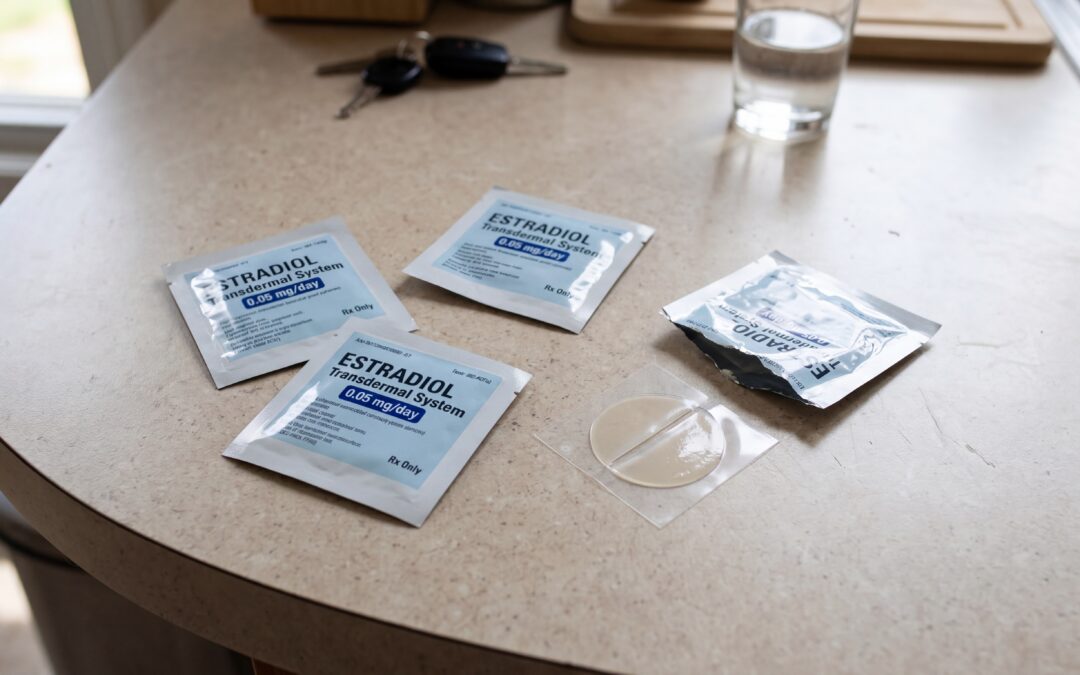
But, in recent news, the estrogen patch, a method of hormone replacement therapy, has been experiencing a shortage.
This is a frustrating moment for women who rely on estrogen patches as their method of HRT. But don’t worry, there are other effective alternatives available so you can stay on track and maintain treatment.
But what is causing this shortage in the first place?
Summary
The estrogen patch shortage is being driven by rising demand and supply chain issues. Hormone replacement therapy use has increased significantly in recent years, with estrogen patches making up a large share of prescriptions. At the same time, global supply challenges have made production and distribution more difficult. Estrogen patch availability is expected to remain limited into 2026 and possibly longer.
Despite the shortage, hormone therapy can still continue with alternative options. Women are not out of treatment options, and many can safely transition to other forms of hormone therapy. A HerKare, provider can help guide women switch methods without stopping care. The goal is to maintain symptom relief and avoid interruption of care.
There are several HRT alternatives are available. At HerKare, we have a multitude of alternatives to choose from. This includes, oral estrogen, transdermal creams and gels, hormone pellets, and vaginal suppositories. A provider can help determine the most appropriate fit for you.
Do not stop therapy is you are experiencing issues accessing estrogen patches. Instead, you should consult a provider to safely switch to another option. At HerKare, we believe that personalized care ensures continued hormonal balance and symptom management throughout the shortage.
Why Estrogen Patches Are in Short Supply
The estrogen patch shortage is the result of several factors including popularity, demand, and tariffs.
Since 2021, the number of women being prescribed hormone replacement therapy has increased by 86%, and 50% of those prescriptions were for estrogen patches. Wow!
And with many of the ingredients used to create estrogen patches coming from overseas, factors like trade wars, tariffs, and weather play a huge role in getting products to pharmacies on time.
The estrogen patch shortage is being felt worldwide, and it’s predicted to continue through the end of 2026. Some manufacturers are warning that the increase in demand could extend the shortage for up to three years.
Despite the shortage, women are not out of options! There are still many ways for you to continue your hormone journey.
Who Is Most Affected
- Women who are currently using estrogen patches for HRT
The most impacted group during this shortage are women who are currently using estrogen patches to manage symptoms of perimenopause or menopause. When refills become delayed or unavailable, concern about symptoms returning or interruptions in treatment are valid feelings.
- Women who prefer transdermal therapy specifically
Some women have a preference for transdermal (absorbed through the skin) estrogen over any other method. This shortage could mean going through trials to find another alternative that you prefer.
This shortage is affecting women in different ways, but luckily, most women are still able to continue hormone replacement therapy with the right alternative.
At HerKare, we pride ourselves on personalization. One size never fits all and that is why we have a multitude of hormone replacement therapy methods to choose from.
While the current shortage feels scary, this does not mean your treatment has to stop.
HRT Alternatives to the Estrogen Patch
The current shortage does not mean you need to pause or interrupt your hormone therapy.
The right alternative depends on you, and a HerKare provider is always ready to help you determine the best fit.
Alternatives include:
- Oral Estrogen (Pill)
Oral estrogen, the pill, is the traditional method of hormone therapy. Taken by mouth, usually once a day, it can be effective for managing symptoms that come with perimenopause and menopause. For some, the oral option is a simple and convenient option, although it may not be right for everyone depending on medical history.
- Transdermal Creams and Gels
Estrogen creams and gels are applied directly to the skin and absorbed gradually into the bloodstream. Like patches, these options offer another way to deliver steady hormone levels without taking a daily pill.
- Pellets
Hormone pellets are a long-acting option that gets placed under the skin in a quick in-office procedure. Once inserted, pellets release a steady dose of hormones over several months, reducing the number of in-clinic visits. Pellets are personalized based on your needs and dosage.
- Vaginal Suppositories
Vaginal estrogen therapy is designed to treat localized symptoms like vaginal dryness, discomfort, and urinary changes that may come with menopause. Vaginal suppositories deliver estrogen directly to the problem area. They are often used on their own or alongside other hormone therapy options for more symptom relief.
There are still multiple ways to continue hormone therapy without losing progress.
Get Support Navigating the Estrogen Patch Shortage
If you are currently having problems accessing your prescription, it is important to reach out to your provider rather than stopping therapy completely. It is possible to transition smoothly to an alternative option with guidance.
You still have options, and we’re here to help you find the right fit.
For women affected by the estrogen patch shortage, call or book an appointment to speak with a HerKare provider about your options today.
FDA’s 2025 removal of black box warnings on menopausal hormone therapy – PMC
Hormone Replacement Therapy Prescriptions for Women Up 72% Since 2021
Drug Shortage Detail: Estradiol Transdermal System

by Kalea Gates | Feb 6, 2026 | Hormone Replacement Therapy, Menopause, Sleep, Weight Loss, Wellness
If you have stumbled across this blog, you’re probably wondering how you can reignite that flame you once had, you’re not alone. Over 40% of women experience low sexual desire, and getting it back can seem impossible, especially during menopause or perimenopause. Fortunately, recovering your desire is anything but unachievable. Don’t throw those rose petals out just yet!
This Valentine’s Day, it’s all about desire; let’s talk about how you can bring yours back up.
Summary
Libido changes are common and can evolve throughout different stages of life. Low libido in women can be caused by hormonal, lifestyle, and psychological changes. Menopause and perimenopause, stress, poor sleep, weight gain, and inactivity can all contribute to a decrease in sexual desire.
Lifestyle changes may naturally help support libido and intimacy. Exercise like yoga, cardio, and Kegels may improve circulation and overall sexual wellness. Nutrition, stress management, and prioritizing self-care can also positively impact sex drive.
Emotional connection and certain foods can also influence libido. Small actions like cuddling, holding hands, and meaningful physical connection may help strengthen emotional closeness and support sexual desire. Foods like avocado, salmon, and dark chocolate are associated with mood and libido support.
Hormone replacement therapy or HRT may help women experiencing persistent low libido related to menopause or hormone imbalance. Estrogen, testosterone, and progesterone each play a role in sexual wellness, energy, and mood. At HerKare, we offer personalized HRT option that may help support libido, sleep, and overall wellbeing.
When Desire Changes: What Really Causes Low Libido in Women
Low libido in women can be caused by many factors:
- Hormonal Changes: Hormonal changes, like menopause and perimenopause.
- Lifestyle Changes: Weight gain, physical inactivity, and habits like smoking and alcohol.
- Psychological Changes: Low quality sleep, stress, and the state of your mental health.
Fortunately, there are plenty of remedies to help boost that desire again, and just in time for Valentine’s Day!
Reawakening That Connection: Natural Ways to Boost Libido in Women
- Kegels, Planks, Cardio and Yoga
Kegels are a way to strengthen your pelvic muscles, see improvements in bladder control, and most importantly improve your sex life. Other exercises like planks, cardio, and yoga are not only beneficial for your health but they also help boost that sexual urge.
- Dietary Changes
Processed foods, sugary drinks, overconsumption of alcohol, smoking, and fatty food can have negative effects on your libido over time. By contrast, studies have shown that foods like avocado, pomegranate, salmon, and tuna can improve your sexual desire. Fun fact: dark chocolate is known for promoting serotonin release, making it a mood starter and giving your libido a pick-me-up.
- You-time
With life’s stress, it is easy to forget that you need time for yourself. Taking a few moments to yourself throughout the day can have a positive impact on your mental health and libido. Reading a book, going for a walk, limiting screen time, or even meditation are a few simple ways to help relieve stress and feel more in tune with your body.
- Increasing Intimacy
Libido is an inner urge, but it can be increased through practice. Even small gestures like holding hands, cuddling, or even making meaningful eye contact can be beneficial to your libido and support closeness between you and your partner. These simple actions can keep the spark alive, well beyond Valentine’s Day.
Care that Cares: How HerKare can Help
Lifestyle changes are often the big first step when it comes to supporting your libido. However, for women who have tried all these things and still seen no boost in libido, it may be time to look into hormonal testing.
Menopause and perimenopause often have negative impacts on your libido, but luckily, there are options and support available.
At HerKare, we offer individualized hormone replacement therapy (women’s HRT) to regulate your hormones and help you renew your vitality.
HRT involves three key hormones that work together to support your libido, energy, and overall well-being:
- Estrogen
Estrogen supports vaginal tissue health and blood flow, helping the body feel comfortable and connected.
- Progesterone
Progesterone helps with balance and mood, creating a space where your desire can naturally grow.
- Testosterone
Testosterone plays an important role by supporting sexual desire, contributing to a healthy libido.
At HerKare, our team may recommend hormone replacement therapy tailored to your needs and goals, including libido support. HRT comes in a variety of options, each designed to address different symptoms and help you on your journey to sexual wellness:
- Pills (Systemic Estrogen): Estrogen pills deliver estrogen right to the bloodstream to help reduce the symptoms of menopause. By improving overall well-being, they also help increase libido.
- Injections: HRT injections work by delivering hormones directly to the body for faster absorption. HRT injections are proven to boost mood, promote better sleep, and boost sex drive.
- Topical Creams: These are efficient for directly elevating sexual desire by relieving vaginal dryness and promoting moisture and tissue health.
- Pellet Therapy: Hormone pellet therapy acts through a small pellet that is inserted under the skin, releasing hormones slowly and steadily. This steady support help keep hormones aligned which maintains a stable and improved libido.
These HRT options can be used individually or in combination, depending on your unique needs.
Intimacy and desire change over time, and that is completely normal. Rediscovering your desire is not just about sex, but about feeling vibrant, confident, and connected every day.
This Valentine’s Day, don’t just save the spark for one night. HerKare is here to help support your libido and intimate connection, so you can feel your best in and out the bedroom.
Want to see how Women’s Hormone Replacement Therapy can change your life? Book your appointment today!
Book Your Appointment
In the journals: Yoga may help improve women’s sexual function – Harvard Health
Navigating Low Libido: Insights & Solutions for Women
5 Natural Ways to Address Low Libido | Institute of Living | Hartford HealthCare | CT
Low sex drive in women – Diagnosis and treatment – Mayo Clinic
Food for Female Sex Drive: 30 Tips for Boosting Libido
gender-report.pdf

by SXHH Marketing | Dec 12, 2025 | Hormone Replacement Therapy, Menopause, Wellness
For years, menopausal hormone therapy carried a warning label that did more than flag risk. It shaped perception. It ended conversations before they started. For many women, it quietly reinforced the idea that relief came with a price that was simply too high.
The FDA has now removed the black box warning from certain menopausal hormone therapy products, and the significance of that change goes beyond labeling. It signals a long-overdue recalibration in how women’s hormone care is understood.
How we got here
The warning traces back to the Women’s Health Initiative studies published in the early 2000s. Those findings linked specific hormone therapies to increased risks of blood clots, stroke, and breast cancer in certain populations.
What mattered then, and still does, is context.
The study primarily examined older women, often more than a decade past menopause, and prescribed oral hormone formulations that reflected clinical norms of the time. The results were meaningful, but their application became sweeping. A single narrative took hold, flattening nuance and leaving little room for clinical judgment or individual variation.
Why the warning no longer made sense
Two decades later, menopausal hormone therapy looks fundamentally different.
Research has continued. Clinical practice has evolved. The conversation around timing, formulation, dosing, and patient selection has grown more precise. We now understand that hormone therapy initiated closer to menopause carries a different risk profile than therapy started years later. We understand that delivery method matters. We understand that cardiovascular and metabolic health cannot be separated from hormone decisions.
The FDA’s decision to remove the black box warning reflects this accumulation of knowledge. It acknowledges that the label no longer aligned with how menopausal hormone therapy is prescribed or evaluated today.
Why this matters to women now
The black box warning informed, but it also created fear in women who could have benefited from HRT.
For many women, it became shorthand for danger, reinforcing hesitation even as symptoms mounted. Brain fog. Disrupted sleep. A persistent sense of being off balance. Mood changes that felt unfamiliar. A body that no longer responded the way it once did.
The removal of the warning does not suggest that hormone therapy is universally appropriate. What it does is restore the possibility of discussion without fear of being the loudest voice in the room.
What has not changed
Hormone therapy remains a medical intervention that requires discernment.
Women considering menopausal hormone therapy should expect:
-
An individualized medical evaluation
-
Careful attention to health history and risk factors
-
Dosing that reflects both symptoms and physiology
-
Ongoing monitoring over time
The shift is not toward casual prescribing. It is toward care that reflects current science rather than outdated generalizations.
Where HerKare stands
At HerKare, menopausal hormone therapy is approached as a collaborative, patient-focused process. Care is shaped by how a woman feels, what her labs reveal, and how her health evolves.