
by SXHH Marketing | Feb 6, 2026 | Hormone Replacement Therapy, Menopause, Sleep, Weight Loss, Wellness
If you have stumbled across this blog, you’re probably wondering how you can reignite that flame you once had, you’re not alone. Over 40% of women experience low sexual desire, and getting it back can seem impossible, especially during menopause or perimenopause. Fortunately, recovering your desire is anything but unachievable. Don’t throw those rose petals out just yet!
This Valentine’s Day, it’s all about desire; let’s talk about how you can bring yours back up.
When Desire Changes: What Really Causes Low Libido in Women
Low libido in women can be caused by many factors:
- Hormonal Changes: Hormonal changes, like menopause and perimenopause.
- Lifestyle Changes: Weight gain, physical inactivity, and habits like smoking and alcohol.
- Psychological Changes: Low quality sleep, stress, and the state of your mental health.
Fortunately, there are plenty of remedies to help boost that desire again, and just in time for Valentine’s Day!
Reawakening That Connection: Natural Ways to Boost Libido in Women
- Kegels, Planks, Cardio and Yoga
Kegels are a way to strengthen your pelvic muscles, see improvements in bladder control, and most importantly improve your sex life. Other exercises like planks, cardio, and yoga are not only beneficial for your health but they also help boost that sexual urge.
- Dietary Changes
Processed foods, sugary drinks, overconsumption of alcohol, smoking, and fatty food can have negative effects on your libido over time. By contrast, studies have shown that foods like avocado, pomegranate, salmon, and tuna can improve your sexual desire. Fun fact: dark chocolate is known for promoting serotonin release, making it a mood starter and giving your libido a pick-me-up.
- You-time
With life’s stress, it is easy to forget that you need time for yourself. Taking a few moments to yourself throughout the day can have a positive impact on your mental health and libido. Reading a book, going for a walk, limiting screen time, or even meditation are a few simple ways to help relieve stress and feel more in tune with your body.
- Increasing Intimacy
Libido is an inner urge, but it can be increased through practice. Even small gestures like holding hands, cuddling, or even making meaningful eye contact can be beneficial to your libido and support closeness between you and your partner. These simple actions can keep the spark alive, well beyond Valentine’s Day.
Care that Cares: How HerKare can Help
Lifestyle changes are often the big first step when it comes to supporting your libido. However, for women who have tried all these things and still seen no boost in libido, it may be time to look into hormonal testing.
Menopause and perimenopause often have negative impacts on your libido, but luckily, there are options and support available.
At HerKare, we offer individualized hormone replacement therapy (women’s HRT) to regulate your hormones and help you renew your vitality.
HRT involves three key hormones that work together to support your libido, energy, and overall well-being:
- Estrogen
Estrogen supports vaginal tissue health and blood flow, helping the body feel comfortable and connected.
- Progesterone
Progesterone helps with balance and mood, creating a space where your desire can naturally grow.
- Testosterone
Testosterone plays an important role by supporting sexual desire, contributing to a healthy libido.
At HerKare, our team may recommend hormone replacement therapy tailored to your needs and goals, including libido support. HRT comes in a variety of options, each designed to address different symptoms and help you on your journey to sexual wellness:
- Pills (Systemic Estrogen): Estrogen pills deliver estrogen right to the bloodstream to help reduce the symptoms of menopause. By improving overall well-being, they also help increase libido.
- Injections: HRT injections work by delivering hormones directly to the body for faster absorption. HRT injections are proven to boost mood, promote better sleep, and boost sex drive.
- Topical Creams: These are efficient for directly elevating sexual desire by relieving vaginal dryness and promoting moisture and tissue health.
- Pellet Therapy: Hormone pellet therapy acts through a small pellet that is inserted under the skin, releasing hormones slowly and steadily. This steady support help keep hormones aligned which maintains a stable and improved libido.
These HRT options can be used individually or in combination, depending on your unique needs.
Intimacy and desire change over time, and that is completely normal. Rediscovering your desire is not just about sex, but about feeling vibrant, confident, and connected every day.
This Valentine’s Day, don’t just save the spark for one night. HerKare is here to help support your libido and intimate connection, so you can feel your best in and out the bedroom.
Want to see how Women’s Hormone Replacement Therapy can change your life? Book your appointment today!
Book Your Appointment
In the journals: Yoga may help improve women’s sexual function – Harvard Health
Navigating Low Libido: Insights & Solutions for Women
5 Natural Ways to Address Low Libido | Institute of Living | Hartford HealthCare | CT
Low sex drive in women – Diagnosis and treatment – Mayo Clinic
Food for Female Sex Drive: 30 Tips for Boosting Libido
gender-report.pdf

by SXHH Marketing | Dec 12, 2025 | Hormone Replacement Therapy, Menopause, Wellness
For years, menopausal hormone therapy carried a warning label that did more than flag risk. It shaped perception. It ended conversations before they started. For many women, it quietly reinforced the idea that relief came with a price that was simply too high.
The FDA has now removed the black box warning from certain menopausal hormone therapy products, and the significance of that change goes beyond labeling. It signals a long-overdue recalibration in how women’s hormone care is understood.
How we got here
The warning traces back to the Women’s Health Initiative studies published in the early 2000s. Those findings linked specific hormone therapies to increased risks of blood clots, stroke, and breast cancer in certain populations.
What mattered then, and still does, is context.
The study primarily examined older women, often more than a decade past menopause, and prescribed oral hormone formulations that reflected clinical norms of the time. The results were meaningful, but their application became sweeping. A single narrative took hold, flattening nuance and leaving little room for clinical judgment or individual variation.
Why the warning no longer made sense
Two decades later, menopausal hormone therapy looks fundamentally different.
Research has continued. Clinical practice has evolved. The conversation around timing, formulation, dosing, and patient selection has grown more precise. We now understand that hormone therapy initiated closer to menopause carries a different risk profile than therapy started years later. We understand that delivery method matters. We understand that cardiovascular and metabolic health cannot be separated from hormone decisions.
The FDA’s decision to remove the black box warning reflects this accumulation of knowledge. It acknowledges that the label no longer aligned with how menopausal hormone therapy is prescribed or evaluated today.
Why this matters to women now
The black box warning informed, but it also created fear in women who could have benefited from HRT.
For many women, it became shorthand for danger, reinforcing hesitation even as symptoms mounted. Brain fog. Disrupted sleep. A persistent sense of being off balance. Mood changes that felt unfamiliar. A body that no longer responded the way it once did.
The removal of the warning does not suggest that hormone therapy is universally appropriate. What it does is restore the possibility of discussion without fear of being the loudest voice in the room.
What has not changed
Hormone therapy remains a medical intervention that requires discernment.
Women considering menopausal hormone therapy should expect:
-
An individualized medical evaluation
-
Careful attention to health history and risk factors
-
Dosing that reflects both symptoms and physiology
-
Ongoing monitoring over time
The shift is not toward casual prescribing. It is toward care that reflects current science rather than outdated generalizations.
Where HerKare stands
At HerKare, menopausal hormone therapy is approached as a collaborative, patient-focused process. Care is shaped by how a woman feels, what her labs reveal, and how her health evolves.
by SXHH Marketing | Oct 15, 2025 | Hormone Replacement Therapy, Menopause, Wellness
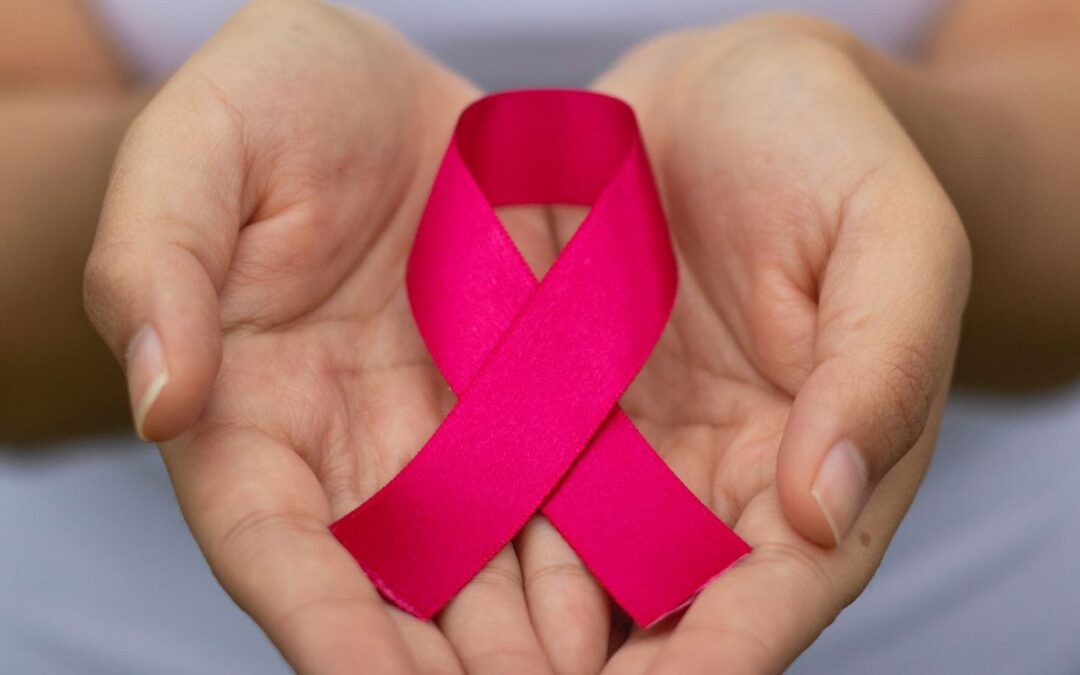
Every October, we come together to honor those affected by breast cancer and to raise awareness that empowers women, not frightens them.
At HerKare, we know that breast cancer awareness also means supporting women’s confidence in their health choices. One of the biggest sources of confusion and fear is hormone replacement therapy (HRT) and whether it increases breast cancer risk.
It’s a complicated topic, and it’s easy to feel torn between wanting relief from menopausal symptoms and wanting to protect your long-term health. So this Breast Cancer Awareness Week, let’s look at the real science behind HRT and separate fear from fiction.
Myth 1: “HRT Always Causes Breast Cancer”
Fact: The truth is more nuanced. Some forms of HRT, especially those that combine estrogen and progesterone, have been shown to slightly increase the risk of breast cancer when used long-term (usually more than five years).
However, estrogen-only HRT, which is prescribed to women who’ve had a hysterectomy, has not shown the same increase. Some studies even suggest it might lower risk in certain cases.
And here’s the important part:
When therapy is stopped, the risk gradually returns to normal over the next few years.
Myth 2: “If You Have a Family History of Breast Cancer, HRT Is Off-Limits”
Fact: A family history doesn’t automatically disqualify you from using HRT.
For many women, especially those using short-term, low-dose therapy, the added risk is minimal, even with family history.
Your provider can help you understand your personal risk profile and choose a plan that works for your body and your comfort level.
Myth 3: “All HRT Is the Same”
Fact: Hormone therapy isn’t one-size-fits-all.
The type of hormones, the way they’re delivered (pill, patch, gel, or cream), and the dose all make a difference.
For example, transdermal estrogen (through the skin) and bioidentical hormones may offer similar benefits with a lower impact on breast cancer risk compared to some older formulations.
Myth 4: “Once You Take HRT, You’ll Always Be at Higher Risk”
Fact: Thankfully, that’s not true.
After stopping HRT, most women’s breast cancer risk returns to baseline within about five years, and often sooner for those who used lower doses.
Myth 5: “Estrogen-Only HRT Is Completely Safe”
Fact: While estrogen-only HRT carries less breast cancer risk, it can increase the risk of uterine cancer in women who still have their uterus, which is why progesterone is added for protection.
The safest HRT plan depends on your complete medical history, which is why individualized care is most important.
People Also Ask
Q: Does HRT increase my risk of breast cancer?
A: Some types may slightly increase risk after several years, especially estrogen-progestin therapy. Estrogen-only therapy has a lower risk profile.
Q: Can women with a family history of breast cancer use HRT?
A: Often, yes, but it’s vital to begin with a personalized plan and close monitoring. Discuss your risk level and hormone options with your healthcare provider.
Q: Does HRT affect mammograms or breast density?
A: It can temporarily increase breast density, which can make imaging less clear. Regular screenings help ensure accurate results.
Q: How long can I safely stay on HRT?
A: Most women can use HRT safely for 3–5 years, though some continue longer under medical supervision if the benefits outweigh the risks.
A Word from Our Medical Team
“At SynergenX, we believe women deserve the full picture — not fear. The risks of hormone therapy are often overstated, and with the right supervision, HRT can help women feel healthy, balanced, and vibrant through menopause and beyond.”
— Michael Seay, MSN, APRN, NP-C
The Bottom Line
For many women, HRT can safely ease the symptoms of menopause (improving sleep, focus, energy, and mood) while the associated breast cancer risk remains small, temporary, and manageable.
If you’re struggling with hot flashes, mood swings, or other menopause symptoms but worried about HRT, remember this:
Knowledge is empowerment. Your provider’s job is to help you find balance, not make you choose between comfort and safety.
This Breast Cancer Awareness Week, take time to schedule your screenings, learn your options, and make informed decisions about your health, your way.
Sources
- Beral V. et al. Type and timing of menopausal hormone therapy and breast cancer risk. The Lancet. 2019;394(10204):1159–1168. The Lancet
- National Institute for Health and Care Research. Risk of breast cancer with HRT depends on therapy type and duration. NIHR Evidence
- NHS. Benefits and risks of hormone replacement therapy (HRT). NHS UK
- Cancer Research UK. Does hormone replacement therapy increase cancer risk? CancerResearchUK.org
- BreastCancer.org. HRT and Breast Cancer Risk. BreastCancer.org
- ICR. Short-term HRT use and family history of breast cancer. icr.ac.uk