
by Kalea Gates | Jul 30, 2026 | Hormone Replacement Therapy, Wellness
For years, HerKare has helped women better understand their bodies through perimenopause and menopause. But hormone health is about more than navigating these transitions.
It starts long before them.
Your hormones can influence how you feel, how your body functions, and how you experience life long before menopause symptoms appear.
That’s why understanding your hormone baseline can be such an important step.
Knowing your baseline can give you a better understanding of where your levels are today, helping you see changes over time and have more informed conversations about your health.
Your Body Changes. Your Hormones Change with It.
Hormones naturally shift throughout different stages of life, and every woman’s experience is unique. Throughout your 20s, 30s, and 40s, your hormone levels can be influenced by many factors, including:
- Lifestyle changes
- Stress and sleep patterns
- Birth control
- Pregnancy and postpartum changes
- Aging
- Overall Health
These changes are normal, but that does not mean they should be ignored.
Why a Hormone Baseline Matters Before Menopause
Many women begin looking into hormone health after experiencing symptoms that affect their daily lives. But waiting until something feels wrong may leave you with more questions than answers.
Knowing your baseline gives you a starting point.
Think of it like knowing your resting heart rate. Having that information provides context when changes happen and can help you make more informed decisions about your health.
Whether you’re experiencing symptoms now or simply want a better understanding of your body, hormone testing can provide valuable insight.

Signs of Hormonal Changes
Hormonal changes are not always obvious. Some women experience noticeable symptoms, while others may only recognize small shifts over time.
Hormonal changes can often appear as:
- Constant fatigue
- Brain fog
- Low libido
- Mood changes
- Difficulty losing weight
- Poor sleep
- Feeling “off” without knowing why
These symptoms can have so many different causes, which is why understanding your baseline is so important.
What Can Hormone Testing Tell You?
Getting your hormones tested does not automatically mean you need to start treatment.
Testing is simply a way to gather information.
Your results can help you and your healthcare provider better understand your current hormone health, discuss your symptoms, and determine what options may be right for you.
For some women, testing may provide reassurance. For others, it may help uncover hormonal changes that deserve attention.
Either way, having more information allows you to take a more active role in your healthcare.
What Does a Hormone Evaluation Include?
At HerKare, our Women’s Comprehensive Hormone Evaluation looks beyond a single hormone level.
Our evaluation includes:
- 65+ biomarker hormone panel
- Estrogen and progesterone testing
- Testosterone testing
- Thyroid evaluation
- Lipid panel
- Comprehensive metabolic panel (CMP)
- ANS assessment
- InBody body composition analysis
- A consultation with a licensed medical provider
If your results point to a hormone imbalance, a provider can help you make sense of what it means and the next steps, including whether bioidentical hormone replacement therapy may be an option for you.
You can also request a copy of your lab results to keep in your records or bring to your OB-GYN or primary care provider.
Having this information in hand gives you another way to advocate for yourself and have more informed conversations about your fertility, birth control, and hormone health.
Why Your Hormone Health Matters
Women spend years tracking different aspects of their health, but hormone health is often overlooked until symptoms start to disrupt daily life.
Knowing your baseline gives you information you can carry with you through different stages of life. It can help you ask better questions, understand the changes in your body, and make health decisions with confidence.
You do not have to wait until menopause to start paying attention to your hormones.
Find Your Baseline at HerKare
Your hormone health is an important part of your overall wellbeing. HerKare is making it easier than ever to get a clearer picture of your hormone levels through testing and personalized guidance.
New patients can receive the Women’s Comprehensive Hormone Evaluation for just your insurance copay or only $99 out of pocket.
Because knowing is a powerful first step.
Book an appointment and know your baseline.
People Also Ask
What is a hormone baseline?
A hormone baseline is an overview of your current hormone levels. It provides a reference point that can help explain symptoms, monitor changes over time, and support healthcare decisions.
What age should I start getting my hormones tested?
There is no specific age, but women in their 20s, 30s, 40s, may consider testing if they are experiencing changes or just want to establish a baseline for their hormone health.
Can birth control affect hormone levels?
Hormonal birth control can affect the body’s natural hormone patterns. If you have questions about your hormone health or birth control, testing can provide more information to discuss with your healthcare provider.
Can I get hormone testing if I don’t have symptoms?
Yes. Some women choose to establish a hormone baseline even when they feel well. Having that information can give you a reference point to compare with future changes.
Can hormone testing tell me if I am entering perimenopause?
Hormone testing can provide insight into your current hormone levels, but perimenopause is not diagnosed through a single hormone test. Your symptoms, menstrual history, and other factors are also important. If you believe you may be entering perimenopause, a provider can help you understand your next steps.
Can I use my hormone test results with my OB-GYN or primary care provider?
Yes. You can request a copy of your results to keep for your records or share with your OB-GYN, primary care provider, or other healthcare professionals.
How much does hormone testing cost at HerKare?
New patients can receive HerKare’s Women’s Comprehensive Hormone Evaluation for their insurance copy or just $99 out of pocket.

by Kalea Gates | Jul 23, 2026 | Hormone Replacement Therapy, Menopause, Wellness
Many women seeking hormone replacement therapy (HRT) have the same question: Can HRT be covered by insurance?
The answer? Yes.
Many major medical insurance plans cover hormone replacement therapy (HRT) when prescribed to help treat symptoms related to perimenopause and menopause, although coverage can vary based on your insurance plan and benefits.
At HerKare, we believe women should have access to personalized hormone care without the barriers.
Unsure if you’re covered? Our team can help you understand your options and verify insurance benefits before your appointment.
Summary
Many insurance plans may cover hormone replacement therapy (HRT) when it is prescribed to help manage symptoms related to perimenopause and menopause. Coverage depends on your specific provider, plan, and benefits.
HRT coverage can vary based on the type of hormone therapy and your individual healthcare needs. Understanding your benefits before starting treatment can help you know what to expect.
HerKare accepts many major insurance providers and offers personalized hormone replacement therapy (HRT) for women experiencing hormonal imbalances. Our team can help you explore your options and determine whether HRT may be right for you.
Does Insurance Cover HRT for Perimenopause and Menopause?
During perimenopause and menopause, changing estrogen levels can contribute to symptoms that affect your daily life. Hormone replacement therapy or HRT is a treatment that’s recommended to help relieve symptoms by restoring hormones that decline over time.
Common symptoms of perimenopause and menopause include:
- Low libido
- Hot flashes
- Night sweats
- Mood changes
- Unexplained weight gain
- Brain fog
- Irregular periods
Many insurance plans provide coverage for HRT when it is considered medically necessary based on your symptoms. However, coverage can depend on:
- Your insurance provider and plan
- Your deductible and copay
- The type of hormone therapy prescribed
Because every insurance plan is different, it’s important to confirm your benefits before starting treatment.
What Insurance Plans Does HerKare Accept?
HerKare accepts many major insurance providers including:
- Aetna
- Blue Cross Blue Shield
- UnitedHealthcare
- GEHA Standard Option
- Medical Mutual of Ohio
- Meritain Health
- APWU Health Plan
- HealthPartners of Minnesota
- Gravie, PHCS Savility, and Cornerstone Preferred Resources
Coverage may include services like hormone replacement therapy, peptide therapy, GLP-1 weight loss medications, and ongoing lab monitoring.
Insurance acceptance does not guarantee payment or coverage for all treatments. Benefits, deductibles, and copays vary by plan.
Get Started with Insurance-Covered HRT at HerKare
Understanding your hormone health shouldn’t feel complicated. If you’re experiencing symptoms of perimenopause or menopause, or want to better understand your hormone levels, HerKare can help you explore your options and determine whether HRT may be right for you.
With the right support, navigating your hormone health options can be simpler than you think.
Schedule your appointment today to learn more about your hormone health options.
People Also Ask
What qualifies you for HRT?
HRT may be an option for women experiencing symptoms like hot flashes, night sweats, sleep changes, or mood changes. A HerKare provider can review your symptoms and health history to determine if HRT is right for you.
Can I use a Health Savings Account (HSA) or Flexible Spending Account (FSA) for HRT?
Yes, HSA and FSA funds may be used toward hormone replacement therapy at HerKare. HSA/FSA funds may also be used for other services like peptide therapy, weight-loss programs, and more!
Do I need insurance coverage for HRT?
No. Insurance coverage is not required to start HRT at HerKare. We offer self-pay options for women who prefer to pay out-of-pocket. Our team can help you explore your options and find a care plan that works for you.
Do all insurance plans cover HRT?
No. Insurance coverage depends on your specific plan, provider, and type of hormone therapy.
Are bioidentical hormones covered by insurance?
Coverage for bioidentical hormones depends on your specific insurance plan. Some bioidentical hormone therapies may be covered, while others may not be. Check with your insurance provider or HerKare team to better understand your coverage options.
How much is HRT without insurance?
The cost of HRT can vary depending on your treatment plan and insurance coverage. If you don’t have insurance, HerKare also offers self-pay options. Call your nearest HerKare clinic to learn more about pricing and payment options.

by Kalea Gates | Jul 3, 2026 | Hormone Replacement Therapy, Menopause
After many menopause awareness campaigns, Rhode Island has become the first state to introduce workplace protections specifically addressing menopause. This marks a major first step forward in how women’s health is recognized in professional environments.
For decades, menopause has been experienced by millions of working women while remaining unspoken when it came to workplace policy. Symptoms that can significantly affect daily life have been managed quietly, without acknowledgement or accommodation.
Rhode Island policy signals a shift. It opens the door for more conversations about how menopause impacts working women and what support can look like in the workplace.
Why Rhode Island’s Policy Matters
Despite its widespread impact, menopause has historically been missing from workplace policy.
Millions of women continue working full-time through perimenopause and menopause without support systems in place. Until recently, symptoms were often viewed as personal health concerns rather than factors that can affect job performance and workplace experiences.
Rhode Island’s policy recognizes menopause as a workplace health issue and encourages protections that support employees experiencing symptoms that may affect their work performance.
Rhode Island’s move brings more attention to inevitable life changes that have long existed in the background. It also reflects a growing awareness that women’s health deserves recognition in workplace planning, not just private management.
How Menopause Affects Work & Daily Life
Perimenopause and menopause are not just a single symptom. It is a collection of physical, emotional, and cognitive changes driven by shifting hormone levels.
These changes can vary widely from person to person, but many women experience overlapping symptoms that impact both daily life and work performance.
Symptoms of perimenopause and menopause include:
- Irregular menstrual cycles
- Mood swings
- Hot flashes
- Night sweats
- Sleep disturbances
These symptoms can translate into reduced concentration and lower energy levels that carries into the workday. For many women, this is often mistaken for stress, burnout, or aging rather than a hormonal transition.
Where Hormone Replacement Therapy (HRT) Comes In
Menopause primarily happens when your key hormones, estrogen, progesterone and in some cases, testosterone, begin to decline.
Hormone replacement therapy or HRT is a treatment option that may help support women experiencing the symptoms of perimenopause or menopause.
It is important to note that hormone replacement therapy is not a one-size-fits-all treatment. Treatment depends on you as an individual, which is why HerKare takes pride in personalization.
How HerKare Supports Women through Menopause
HerKare provides personalized hormone therapy designed to support women navigating perimenopause and menopause. Through comprehensive hormone testing, one-on-one provider consultations, and ongoing monitoring and treatment adjustments, care is built around each patient’s unique profile.
Menopause care is not just about managing symptoms. It’s about understanding how hormonal changes affect the whole person and creating a plan that evolves over time.
If menopause symptoms are affecting your energy, focus, sleep, and overall quality of life, you do not have to navigate those changes alone.
Schedule your consultation and take control of your hormone health today.
People Also Ask
Why is menopause becoming a workplace issue?
More women are pushing through symptoms of perimenopause and menopause in the workplace making symptom management an important workplace issue. Policies like Rhode Island’s reflect growing awareness of this impact.
Can HRT help with menopause symptoms at work?
Yes. HRT can help improve symptoms of menopause, which can indirectly improve focus and daily functioning at work.
What helps with menopause symptoms besides HRT?
Lifestyle changes like improving sleep habits, managing stress, and diet may bring some relief.
State of Rhode Island General Assembly

by Kalea Gates | Jun 12, 2026 | Uncategorized
For over 12 years, women have trusted HerKare to help guide them through some of life’s biggest hormonal changes, from perimenopause to menopause to low energy, weight changes, mood shifts, and more.
Now, that care is evolving under one unified name: SynergenX.
Over the next year, HerKare clinics along with Low T Centers across the country will slowly transition to the SynergenX brand. While the name and look may change, our commitment to women’s wellness remains the same.
This transition reflects the continued growth of a company focused on helping you feel healthier, more confident, and like yourself again through personalized, medically guided care.
Since 2016, SynergenX has worked to create a more supportive and individualized approach when it comes to wellness. For many women, hormonal changes during perimenopause and menopause can affect nearly every part of daily life. And at SynergenX, care is made to address the full picture, not just a single symptom.
In addition to hormone therapy, SynergenX continues to expand services for women through medically guided weight management, wellness therapies, and ongoing support designed to help you feel your best at every stage of life.
Over the years, hundreds of thousands of women have trusted HerKare with their care. Many women find themselves at HerKare feeling exhausted and disconnected from the version of themselves they once knew. And these women leave feeling more balanced, energized, and confident in their health journey. For CEO Wayne Wilson, these experiences continue to drive the company’s mission forward:
“Helping patients feel like themselves again is one of the most meaningful things we can do in healthcare. This transition reflects who we are today and where we are going in the future. The SynergenX brand represents our commitment to personalized care, innovation, and helping patients become the healthiest, strongest versions of themselves.”
This transition to the SynergenX brand will happen slowly across clinic signage, websites, communications, and digital platforms over the coming year. If you are a patient, you can continue to expect the same providers, the same care teams, and the same compassionate approach to wellness throughout the process.
While the HerKare name is changing, our mission remains the same: Helping women feel balanced, supported, confident, and empowered in their health.
by Kalea Gates | May 8, 2026 | Hormone Replacement Therapy, Menopause
The popularity of hormone replacement therapy, specifically for women, has skyrocketed over the past few years. For women experiencing life stages like perimenopause or menopause, this popularity has come with a lot of positive outcomes like the FDA removing the black box warning that used to come with hormone replacement therapy.
With these warnings gone, it gave women peace of mind when it came to treatment and erased fears for women wanting to try HRT.
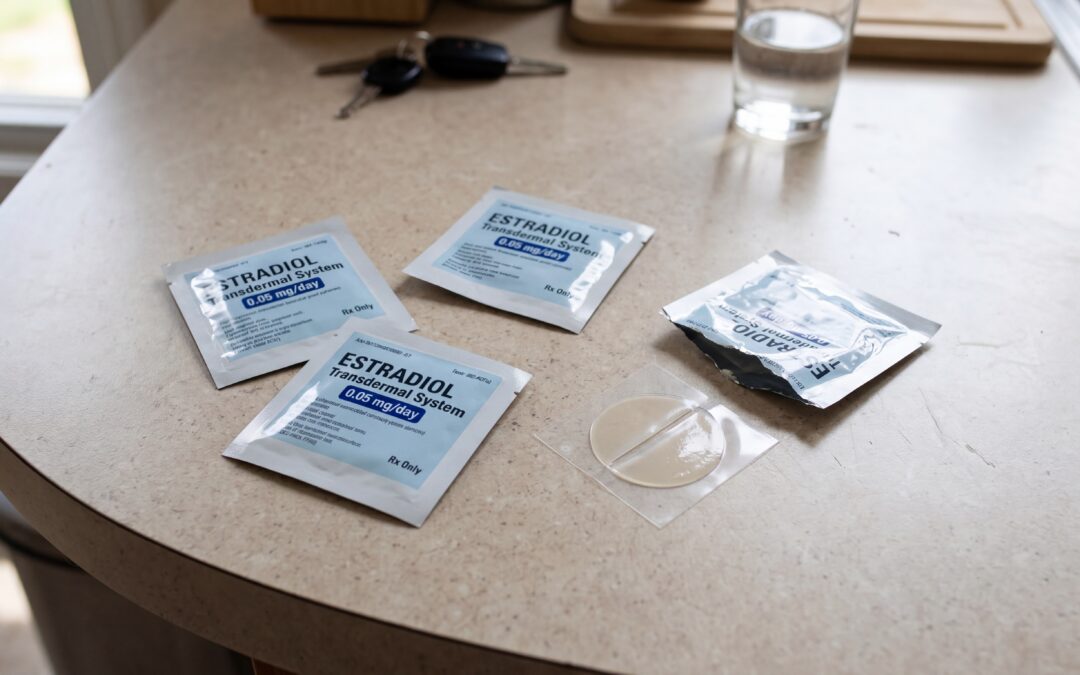
But, in recent news, the estrogen patch, a method of hormone replacement therapy, has been experiencing a shortage.
This is a frustrating moment for women who rely on estrogen patches as their method of HRT. But don’t worry, there are other effective alternatives available so you can stay on track and maintain treatment.
But what is causing this shortage in the first place?
Summary
The estrogen patch shortage is being driven by rising demand and supply chain issues. Hormone replacement therapy use has increased significantly in recent years, with estrogen patches making up a large share of prescriptions. At the same time, global supply challenges have made production and distribution more difficult. Estrogen patch availability is expected to remain limited into 2026 and possibly longer.
Despite the shortage, hormone therapy can still continue with alternative options. Women are not out of treatment options, and many can safely transition to other forms of hormone therapy. A HerKare, provider can help guide women switch methods without stopping care. The goal is to maintain symptom relief and avoid interruption of care.
There are several HRT alternatives are available. At HerKare, we have a multitude of alternatives to choose from. This includes, oral estrogen, transdermal creams and gels, hormone pellets, and vaginal suppositories. A provider can help determine the most appropriate fit for you.
Do not stop therapy is you are experiencing issues accessing estrogen patches. Instead, you should consult a provider to safely switch to another option. At HerKare, we believe that personalized care ensures continued hormonal balance and symptom management throughout the shortage.
Why Estrogen Patches Are in Short Supply
The estrogen patch shortage is the result of several factors including popularity, demand, and tariffs.
Since 2021, the number of women being prescribed hormone replacement therapy has increased by 86%, and 50% of those prescriptions were for estrogen patches. Wow!
And with many of the ingredients used to create estrogen patches coming from overseas, factors like trade wars, tariffs, and weather play a huge role in getting products to pharmacies on time.
The estrogen patch shortage is being felt worldwide, and it’s predicted to continue through the end of 2026. Some manufacturers are warning that the increase in demand could extend the shortage for up to three years.
Despite the shortage, women are not out of options! There are still many ways for you to continue your hormone journey.
Who Is Most Affected
- Women who are currently using estrogen patches for HRT
The most impacted group during this shortage are women who are currently using estrogen patches to manage symptoms of perimenopause or menopause. When refills become delayed or unavailable, concern about symptoms returning or interruptions in treatment are valid feelings.
- Women who prefer transdermal therapy specifically
Some women have a preference for transdermal (absorbed through the skin) estrogen over any other method. This shortage could mean going through trials to find another alternative that you prefer.
This shortage is affecting women in different ways, but luckily, most women are still able to continue hormone replacement therapy with the right alternative.
At HerKare, we pride ourselves on personalization. One size never fits all and that is why we have a multitude of hormone replacement therapy methods to choose from.
While the current shortage feels scary, this does not mean your treatment has to stop.
HRT Alternatives to the Estrogen Patch
The current shortage does not mean you need to pause or interrupt your hormone therapy.
The right alternative depends on you, and a HerKare provider is always ready to help you determine the best fit.
Alternatives include:
- Oral Estrogen (Pill)
Oral estrogen, the pill, is the traditional method of hormone therapy. Taken by mouth, usually once a day, it can be effective for managing symptoms that come with perimenopause and menopause. For some, the oral option is a simple and convenient option, although it may not be right for everyone depending on medical history.
- Transdermal Creams and Gels
Estrogen creams and gels are applied directly to the skin and absorbed gradually into the bloodstream. Like patches, these options offer another way to deliver steady hormone levels without taking a daily pill.
- Pellets
Hormone pellets are a long-acting option that gets placed under the skin in a quick in-office procedure. Once inserted, pellets release a steady dose of hormones over several months, reducing the number of in-clinic visits. Pellets are personalized based on your needs and dosage.
- Vaginal Suppositories
Vaginal estrogen therapy is designed to treat localized symptoms like vaginal dryness, discomfort, and urinary changes that may come with menopause. Vaginal suppositories deliver estrogen directly to the problem area. They are often used on their own or alongside other hormone therapy options for more symptom relief.
There are still multiple ways to continue hormone therapy without losing progress.
Get Support Navigating the Estrogen Patch Shortage
If you are currently having problems accessing your prescription, it is important to reach out to your provider rather than stopping therapy completely. It is possible to transition smoothly to an alternative option with guidance.
You still have options, and we’re here to help you find the right fit.
For women affected by the estrogen patch shortage, call or book an appointment to speak with a HerKare provider about your options today.
FDA’s 2025 removal of black box warnings on menopausal hormone therapy – PMC
Hormone Replacement Therapy Prescriptions for Women Up 72% Since 2021
Drug Shortage Detail: Estradiol Transdermal System