by Kalea Gates | Jun 11, 2026 | Weight Loss, Wellness
If you’ve been researching medical weight loss, chances are you’ve come across GLP-1s like Tirzepatide. And with the market expected to reach over $150 billion, it is no wonder that GLP-1’s are the most talked-about medications available today. But recently, there has been a new name garnering attention in the weight loss space: Retatrutide.
While Retatrutide is still being studied and not-yet FDA approved, clinical trials have sparked interest, with some health experts calling it a potential next-generation weight loss treatment.
Considering the many options on the market today, how does this new contender, Retatrutide, compare to a popular option like Tirzepatide?
Summary
GLP-1 medications are reshaping medical weight loss, with Tirzepatide leading the current market while Retatrutide emerges as a promising new contender. Tirzepatide has gained widespread attention due to its strong clinical results, at the same time, interests have been growing around next-generation therapies like Retatrutide. The weight loss medication market continues to expand rapidly as research evolves.
Retatrutide is still in clinical trials, but it is designed to go a step further by targeting three hormonal pathways. Early clinical trial data suggests it could deliver even greater weight loss potential than current treatments on the market. However, it is not yet FDA-approved or available by prescription.
The key difference between Tirzepatide and Retatrutide is the number of metabolic pathways they activate. Tirzepatide is an established, FDA-approved treatment with real-world outcomes, while Retatrutide remains investigational. Retatrutide’s added glucagon may offer enhanced metabolic effects, but those benefits are still being studied. Both represent different stages of advancement in the same evolving treatment landscape.
The future of weight loss therapy is shifting toward more personalized and metabolically targeted care. While newer treatments like Retatrutide are generating excitement, established options like Tirzepatide remains the current standard. At HerKare, treatment plans are tailored to individual goals and health history. Speak to a provider today to find the most effective weight loss plan.
What is Tirzepatide?
Not only is Tirzepatide a popular GLP-1, it is number one in its industry with brand names like Mounjaro and Zepbound. Originally developed to help manage type 2 diabetes, Tirzepatide quickly gained popularity for its effective weight loss results.
What sets Tirzepatide apart from other GLP-1s is that it mimics two natural hormones found in your gut: GIP and GLP-1. By targeting both GIP and GLP-1 hormones, Tirzepatide is able to suppress your appetite, stabilize blood sugar, and reduce “food noise” helping to cut food cravings. But beyond weight reduction, Tirzepatide has also shown to improve metabolic health by increasing insulin sensitivity.
Through Tirzepatide’s unique dual-action system, it has become the leading option for weight loss medications, setting the standard and paving the way for newer treatments like Retatrutide.

What is Retatrutide?
Retatrutide is a weight-loss medication that is currently still in development and not yet FDA-approved. While being in Phase 3 of clinical trials, Retatrutide is being looked at as the next step beyond treatments like Tirzepatide.
What makes Retatrutide different is that instead of mimicking two hormones, it mimics three: GIP, GLP-1, and Glucagon. These three hormones work together to support significant weight loss and blood-sugar management compared to Tirzepatide.
From what we know from clinical trials, Retatrutide may potentially boost energy while also accelerating calorie burning through the glucagon receptor which has never been seen before in a weight loss treatment.
While Tirzepatide is currently setting the bar when it comes to weight loss, Retatrutide is testing how high it can go.
Retatrutide vs. Tirzepatide
When comparing Retatrutide and Tirzepatide, the biggest difference between the two comes down to how many pathways each medication targets.
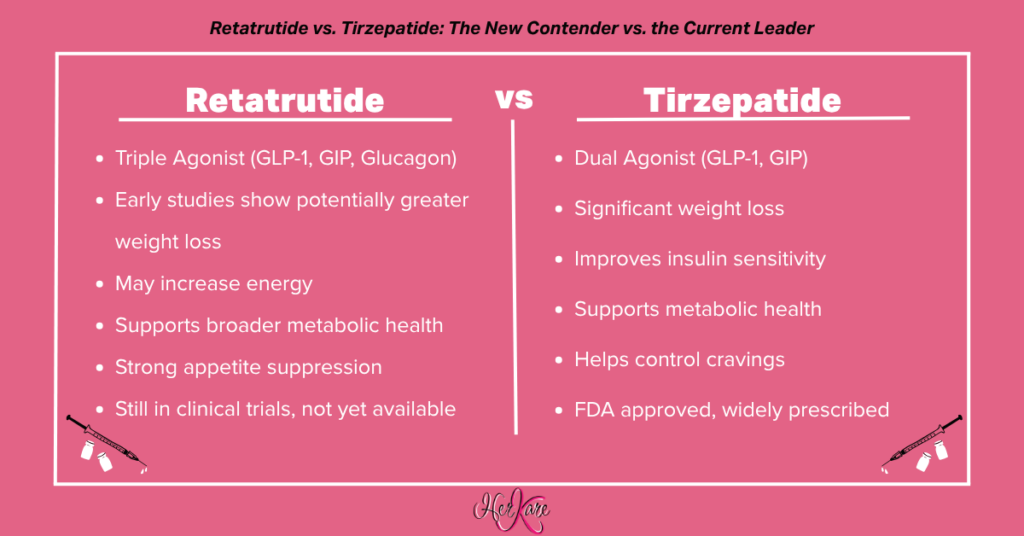
Tirzepatide, FDA-approved, targets GLP-1 and GIP receptors. This helps regulate appetite, improves blood sugar control, and supports steady weight loss. Because of
its real-world use and results, it has quickly become the all-star in medical weight loss treatments.
Retatrutide, on the other hand, is still in development. In addition to GLP-1 and GIP receptors, it also targets the glucagon receptor. With this added pathway, researchers believe that Retatrutide may increase energy and metabolism in ways that current treatments don’t.
It is important to note that Retatrutide is not FDA-approved and not available for prescription use, but it is currently being watched as the next step in how we approach weight loss and metabolic health.
The Future of Weight Loss Therapy
The future of medical weight loss is evolving so quickly. Not long ago, treatments used to focus on just appetite suppression. Today, medications like Tirzepatide are not only suppressing appetite but supporting metabolic health as well. And now, new and upcoming therapies like Retatrutide are pushing these advancements even further.
But newer doesn’t always mean better for everyone. The most effective weight loss plans are one that is tailored to your unique goals and hormonal needs.
At HerKare, we are committed to staying informed on the evolving treatment options when it comes to women’s health. We are excited about the future of Retatrutide and look forward to making these new treatments available to our patients.
In the meantime, we offer personalized weight loss programs to help you reach your goals with confidence.
Want to explore your options? Book an appointment today to discover personalized weight loss plans.
Book An Appointment
People Also Ask
Is Tirzepatide still a good option for weight loss?
Yes. Tirzepatide is still one of the most effective medications for weight loss.
Can women experiencing perimenopause or menopause take Tirzepatide?
Yes! Because perimenopause and menopause cause hormonal changes like weight gain and metabolic changes, Tirzepatide may be a helpful option.
When will Retatrutide become available?
An exact timeline is unknown. Retatrutide must complete clinical trials and receive FDA approval before it can become widely available.
How do I know which weight loss treatment is right for me?
The best weight loss treatment depends on several factors including health history, goals, and lifestyle. A HerKare provider can help determine whether options like Tirzepatide may be right for you.
Comparative Efficacy of Tirzepatide vs. Semaglutide in Reducing Body Weight in Humans: A Systematic Review and Meta-Analysis of Clinical Trials and Real-World Data – PMC
Triple–Hormone-Receptor Agonist Retatrutide for Obesity — A Phase 2 Trial | New England Journal of Medicine
FDA’s Concerns with Unapproved GLP-1 Drugs Used for Weight Loss | FDA
A Study of Retatrutide (LY3437943) in Participants Without Type 2 Diabetes Who Have Obesity or Overweight (TRIUMPH-9)
Retatrutide – PMC
Retatrutide—A Game Changer in Obesity Pharmacotherapy – PMC
Tirzepatide (subcutaneous route) – Side effects & dosage – Mayo Clinic
GLP-1 Receptor Agonist Market Size | Industry Report, 2033

by Kalea Gates | Jun 4, 2026 | Wellness
Hormonal imbalance can feel like your body is working against you. One month your skin is breaking out, and the next, energy becomes so unpredictable. 80% of women experience hormonal imbalance, it’s almost inevitable through life changes like perimenopause and menopause, but that does not mean it has to be your “new normal.”
Recently, spearmint has been emerging as a go-to in the world of natural hormone support for women. From tea to supplement form, it has joined the conversation for potentially helping hormone-related symptoms, while not a cure, this natural option can provide some relief.
So, what does the research actually say, and how does spearmint fit when it comes to women’s hormone health?
Summary
Spearmint has been studied for its potential role in supporting hormone balance. Early research suggests it may help support symptoms linked to hormonal imbalance, such as acne or excess facial hair.
80% of women experience hormonal imbalance. It is often influenced by natural life stages such as perimenopause and menopause. Because hormones affect so many systems in the body, even small shifts can lead to unwanted symptoms.
Spearmint is commonly consumed as a tea or in supplement form, with tea being more studied and supplements offering a more concentrated option. It is best used as part of an individualized approach to hormone health with guidance from a healthcare provider.
What is Hormonal Imbalance?
Hormonal imbalance happens when you have too much or too little of one or more hormones in your body. This can appear through body hair because of too much testosterone or heavy, unpredictable periods because of too much estrogen.
Hormones control very important functions within the body like metabolism, mood, and reproduction, so when a slight imbalance happens, unwanted symptoms start to appear.
Signs of hormonal imbalance include:
- Irregular, heavy, or missed periods
- Unexplained weight gain
- Mood swings
- Brain fog
- Fatigue
- Hot flashes
With a clearer picture of how hormonal imbalance can show up in the body, it makes sense that women are looking for simple, natural forms of support like spearmint.
What is Spearmint?
Spearmint, also known scientifically as Mentha spicata, is a well-known naturally growing herb and is widely used as a flavoring agent in toothpaste and chewing gum.
Spearmint has been traditionally used across many cultures for thousands of years. It’s most notably known for its digestive support, oral hygiene, and stress relief.
But beyond this, spearmint is emerging as a potential natural way to support hormone health as well.
How Spearmint Affects Hormones
Studies have shown that spearmint may act as a natural way to help lower high levels of testosterone and increase levels of estradiol through two compounds like rosmarinic acid and flavonoids.
- Rosmarinic acid
Rosmarinic acid is a potent antioxidant found in spearmint that blocks the 5-alpha-reductase enzyme. This enzyme is responsible for converting testosterone into DHT, which causes symptoms like excess facial hair and acne.
- Flavonoids
Flavonoids are natural plant nutrients found in almost all fruits, vegetables, and grains. Spearmint specifically contains limonene, dihydroxyflavone, and luteolin flavonoids, which have antioxidant and anti-inflammatory effects that help protect cells against free radicals.
These two compounds combined contribute to spearmint’s support when it comes to hormonal balance.
So, you may be considering adding spearmint to your wellness routine. What’s the best way to take it?
Spearmint Tea vs. Spearmint Supplements
Spearmint is most commonly taken in the form of a hot cup of tea or in supplement form. While both contain all the benefits of spearmint, they differ in concentration and convenience.
Spearmint tea’s effectiveness is backed by . Consuming it loose-leaf or bagged is very affordable and naturally caffeine-free, though seeing the effects requires 2 to 4 cups daily and consistency.
While research shows spearmint is effective, there are fewer clinical trials backing it in supplement form. If you dislike the taste of tea, a supplement may be the route to go, but it’s worth consulting your healthcare provider before adding these to your routine, as supplements are less tightly regulated.
Regardless of whether it is consumed as a tea or a supplement, spearmint has been studied for a range of health benefits.
Benefits of Spearmint
- Reduces excessive hair growth (hirsutism)
- Improves hormonal acne
- Relieves bloating
- Supports memory and focus
- Protects against chronic diseases
- Relieves symptoms associated with PCOS
A Step Toward Hormone Support
Hormonal imbalance is not something that looks the same for every woman, and it is rarely ever as simple as one solution. For some, spearmint may be a small but meaningful addition when it comes to hormone health.
At HerKare, we believe hormone health should feel personalized and rooted in real answers.
Whether you are just starting to notice changes or have been dealing with symptoms for years, our team is here to help.
Ready to take a more personalized approach to your hormone health? Book an appointment today.
3 Benefits of Spearmint Tea
Spearmint herbal tea has significant anti-androgen effects in polycystic ovarian syndrome. A randomized controlled trial – PubMed
Effect of spearmint (Mentha spicata Labiatae) teas on androgen levels in women with hirsutism – PubMed
Association of Herbal Tea and Follicle-Stimulating Hormone, Anthropometric Parameters, and Fasting Blood Glucose Levels Among Polycystic Ovarian Syndrome Women: A Systematic Review and Meta-Analysis of Clinical Trials
The traditional uses, phytochemistry and pharmacology of spearmint (Mentha spicata L.): A review – PubMed

by Kalea Gates | May 29, 2026 | Aesthetics, Wellness
Lately, peptides have been the topic of conversation online, gaining attention from celebrities, “gym-bros”, and healthcare professionals alike. As interest in wellness treatments continues to grow, more women are exploring options that support aging and healthier-looking skin.
One treatment currently in the spotlight is glutathione injections. As women look for ways to support healthy aging and brighter-looking skin, these injections are becoming a popular option.
So, look no further, HerKare is now offering glutathione injections as part of our personalized approach to help women feel confident and energized at every stage of life.
But what exactly is glutathione, and why has it become such a popular treatment amongst women?
Summary
Glutathione injections are gaining popularity in the wellness and aesthetics space. HerKare now offers glutathione injections as part of a personalized approach to women’s wellness.
Glutathione is known as the body’s “master antioxidant” and is naturally produced in the liver. As natural glutathione levels decline over time, some women may experience symptoms like fatigue and visible changes in skin appearance.
Glutathione may help support more even-looking skin tone by influencing melanogenesis. Its antioxidant effects also help protect skin cells from environmental stressors, which support skin elasticity and reduce appearance of fine lines over time.
Glutathione may also support immune function and more. Because everyone’s health needs and goals are different, it’s important to consult a qualified medical provider before starting treatment. At HerKare, providers take a personalized approach to help determine whether glutathione injections are right for you.
What is Glutathione?
Glutathione is a powerful “master antioxidant” that is naturally produced by your liver and is found in every cell in your body. The role of glutathione is to help protect cells from damage caused by oxidative stress and free radicals.
But if your body naturally produces glutathione, why are injections needed?
As you age, your body naturally produces less glutathione, which may contribute to symptoms like:
- Muscle or joint discomfort
- Changes in skin appearance
Because of this, many people are turning to glutathione to feel and look more youthful.
To understand glutathione’s significant role within the body, let’s dive into how glutathione works.
How Glutathione Works
Glutathione is made by your liver from three amino acids: glutamic acid, cysteine, and glycine, and is known as a strong antioxidant, protecting your body’s cells from damage caused by free radicals.
Free radicals are unstable molecules in the body that act like tiny bullies, stealing from healthier cells. The body starts producing more free radicals as you age, and with less glutathione to combat these free radicals, aging starts to feel like it’s accelerating.
Glutathione travels through the body, serving as detoxification. It eliminates free radicals and regenerates other important antioxidants.
These protective and detoxifying functions don’t just happen internally; they also show up in ways that are often seen through the skin.
Glutathione and Skin
Glutathione interrupts the process of melanogenesis (the body’s natural production of melanin), supporting a more even-looking skin tone.
Beyond pigmentation, glutathione’s antioxidant effects protect skin cells from UV radiation and environmental stressors like pollution. This protection helps maintain skin elasticity and may reduce the appearance of fine lines over time.
Although glutathione is often recognized for its effects on the skin, its benefits extend beyond visible appearance.
Benefits of Glutathione
- Helps maintain high energy levels
- Improves insulin resistance
Is Glutathione Right for You?
With the growing attention around glutathione in the wellness and aesthetics space, interest in treatments like glutathione injections continues to rise. While this popularity has helped more women learn about its benefits, it also makes it even more important to consult a medical provider rather than taking influencer advice alone.
Popular doesn’t mean personalized, your body still deserves its own plan.
At HerKare, our providers specialize in personalized women’s care, offering treatment options tailored to your symptoms and health goals.
If you are interested in learning more about glutathione injections, schedule an appointment today!
Book An Appointment
People Also Ask
Is glutathione safe?
Glutathione is generally considered safe for most healthy adults. While not FDA approved, it is commonly used in medical and wellness practices. A consultation with a provider is recommended before starting treatment.
What’s the difference between oral glutathione and injectable glutathione?
The main difference between oral and injectable glutathione is how they are absorbed.
Injections bypass the digestive system completely, ensuring that 100% of the glutathione enters your system, allowing for rapid and effective results.
Oral glutathione passes through the digestive system where most of its nutrients are lost before making it to the bloodstream. Because most of it is lost to stomach enzymes, results take months to become visible.
Can I combine glutathione with other treatments like hormone therapy?
Yes! You can combine glutathione injections with hormone replacement therapy (HRT).
Glutathione: Pharmacological aspects and implications for clinical use in non-alcoholic fatty liver disease – PMC
Exploring the Safety and Efficacy of Glutathione Supplementation for Skin Lightening: A Narrative Review – PMC
Glutathione! – PMC
by Kalea Gates | May 8, 2026 | Hormone Replacement Therapy, Menopause
The popularity of hormone replacement therapy, specifically for women, has skyrocketed over the past few years. For women experiencing life stages like perimenopause or menopause, this popularity has come with a lot of positive outcomes like the FDA removing the black box warning that used to come with hormone replacement therapy.
With these warnings gone, it gave women peace of mind when it came to treatment and erased fears for women wanting to try HRT.
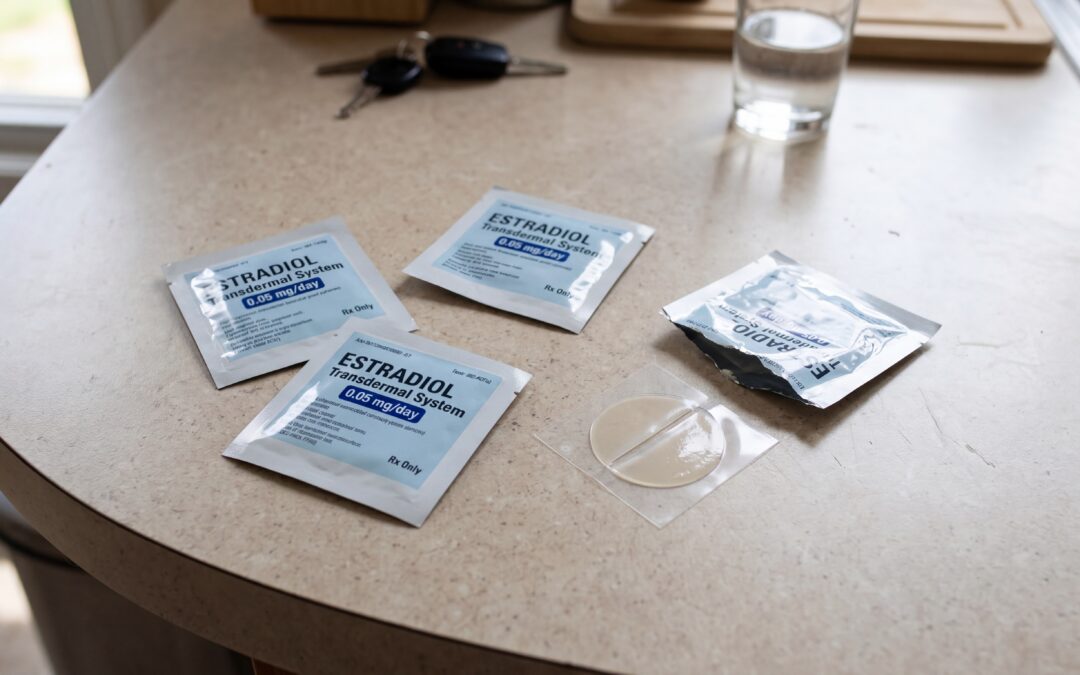
But, in recent news, the estrogen patch, a method of hormone replacement therapy, has been experiencing a shortage.
This is a frustrating moment for women who rely on estrogen patches as their method of HRT. But don’t worry, there are other effective alternatives available so you can stay on track and maintain treatment.
But what is causing this shortage in the first place?
Summary
The estrogen patch shortage is being driven by rising demand and supply chain issues. Hormone replacement therapy use has increased significantly in recent years, with estrogen patches making up a large share of prescriptions. At the same time, global supply challenges have made production and distribution more difficult. Estrogen patch availability is expected to remain limited into 2026 and possibly longer.
Despite the shortage, hormone therapy can still continue with alternative options. Women are not out of treatment options, and many can safely transition to other forms of hormone therapy. A HerKare, provider can help guide women switch methods without stopping care. The goal is to maintain symptom relief and avoid interruption of care.
There are several HRT alternatives are available. At HerKare, we have a multitude of alternatives to choose from. This includes, oral estrogen, transdermal creams and gels, hormone pellets, and vaginal suppositories. A provider can help determine the most appropriate fit for you.
Do not stop therapy is you are experiencing issues accessing estrogen patches. Instead, you should consult a provider to safely switch to another option. At HerKare, we believe that personalized care ensures continued hormonal balance and symptom management throughout the shortage.
Why Estrogen Patches Are in Short Supply
The estrogen patch shortage is the result of several factors including popularity, demand, and tariffs.
Since 2021, the number of women being prescribed hormone replacement therapy has increased by 86%, and 50% of those prescriptions were for estrogen patches. Wow!
And with many of the ingredients used to create estrogen patches coming from overseas, factors like trade wars, tariffs, and weather play a huge role in getting products to pharmacies on time.
The estrogen patch shortage is being felt worldwide, and it’s predicted to continue through the end of 2026. Some manufacturers are warning that the increase in demand could extend the shortage for up to three years.
Despite the shortage, women are not out of options! There are still many ways for you to continue your hormone journey.
Who Is Most Affected
- Women who are currently using estrogen patches for HRT
The most impacted group during this shortage are women who are currently using estrogen patches to manage symptoms of perimenopause or menopause. When refills become delayed or unavailable, concern about symptoms returning or interruptions in treatment are valid feelings.
- Women who prefer transdermal therapy specifically
Some women have a preference for transdermal (absorbed through the skin) estrogen over any other method. This shortage could mean going through trials to find another alternative that you prefer.
This shortage is affecting women in different ways, but luckily, most women are still able to continue hormone replacement therapy with the right alternative.
At HerKare, we pride ourselves on personalization. One size never fits all and that is why we have a multitude of hormone replacement therapy methods to choose from.
While the current shortage feels scary, this does not mean your treatment has to stop.
HRT Alternatives to the Estrogen Patch
The current shortage does not mean you need to pause or interrupt your hormone therapy.
The right alternative depends on you, and a HerKare provider is always ready to help you determine the best fit.
Alternatives include:
- Oral Estrogen (Pill)
Oral estrogen, the pill, is the traditional method of hormone therapy. Taken by mouth, usually once a day, it can be effective for managing symptoms that come with perimenopause and menopause. For some, the oral option is a simple and convenient option, although it may not be right for everyone depending on medical history.
- Transdermal Creams and Gels
Estrogen creams and gels are applied directly to the skin and absorbed gradually into the bloodstream. Like patches, these options offer another way to deliver steady hormone levels without taking a daily pill.
- Pellets
Hormone pellets are a long-acting option that gets placed under the skin in a quick in-office procedure. Once inserted, pellets release a steady dose of hormones over several months, reducing the number of in-clinic visits. Pellets are personalized based on your needs and dosage.
- Vaginal Suppositories
Vaginal estrogen therapy is designed to treat localized symptoms like vaginal dryness, discomfort, and urinary changes that may come with menopause. Vaginal suppositories deliver estrogen directly to the problem area. They are often used on their own or alongside other hormone therapy options for more symptom relief.
There are still multiple ways to continue hormone therapy without losing progress.
Get Support Navigating the Estrogen Patch Shortage
If you are currently having problems accessing your prescription, it is important to reach out to your provider rather than stopping therapy completely. It is possible to transition smoothly to an alternative option with guidance.
You still have options, and we’re here to help you find the right fit.
For women affected by the estrogen patch shortage, call or book an appointment to speak with a HerKare provider about your options today.
FDA’s 2025 removal of black box warnings on menopausal hormone therapy – PMC
Hormone Replacement Therapy Prescriptions for Women Up 72% Since 2021
Drug Shortage Detail: Estradiol Transdermal System
by Kalea Gates | Apr 30, 2026 | Hormone Replacement Therapy, Menopause
Women often begin noticing changes in their body long before they receive clear answers.
For many, this leads to searching for explanations online, going down rabbit holes or assuming it must be perimenopause. While that can sometimes be the case, symptoms alone do not always tell the full story.
Hormone changes are complex, which is why clarity matters. Before jumping to conclusions, it is important to understand what is actually going on inside your body.
Summary
Hormone therapy is not one-size-fits-all. Every woman’s hormone levels and symptoms are different, which is why comprehensive hormone testing is important before beginning treatment. Testing helps creates a personalized treatment plan designed around your body’s specific needs.
Relying on online symptom checklists, quizzes, or self-diagnosis can lead to confusion and ineffective treatments. Two women may experience similar symptoms but require completely different care based on what their lab results reveal. Proper testing allows for clearer insight into what may actually be contributing to symptoms.
Comprehensive hormone testing can help reduce the risk of over or under dosing, metabolic complications, and unwanted side effects. Monitoring hormone levels allows providers to make informed treatment decisions and adjust care when needed.
At HerKare, our Comprehensive Hormone Test is designed to provide a deeper look into your overall hormone and metabolic health. With testing alongside personalized provider guidance, women can move beyond guesswork and take a more informed approach when it comes to their hormone health.
What is Hormone Therapy
Hormone therapy, or hormone replacement therapy (HRT), is a treatment that replaces the hormones your body stops making. Your body can stop making hormones at any time or for any reason, like menopause.
Hormone replacement therapy works through a multitude of methods to deliver 3 main hormones: progesterone, estrogen, and testosterone. These hormones can help relieve symptoms like:
• Fatigue
• Hot flashes
• Night sweats
• Changes in mood
• Low libido
But for hormone therapy to deliver results, testing is essential to understand the root of your imbalance and guide the best treatment plan for you.
Why So Many Women Turn to Self-Diagnosis
One of the most misconceptions is that symptoms like fatigue, weight changes, mood shifts, and brain fog automatically mean perimenopause has started. Whilst this is sometimes true, it is not the only explanation. In some cases, symptoms can overlap with other hormone imbalances including chronic stress, insulin resistance, or nutrient deficiencies.
Another misconception is that hormonal changes can be identified without a test. Because hormone levels naturally fluctuate constantly, symptoms can often look similar even when the underlying problem is very different.
Relying on symptoms alone can lead to confusion and misdirected care. Two women may experience the same symptoms but require completely different treatment approaches based on what their lab results reveal.
Understanding what is actually happening inside the body is the key to effective treatment, and that starts with proper testing rather than assumptions.
The Importance of Hormone Testing
The short answer is yes; hormone testing is needed and essential to your hormone journey, and it’s not just a normal blood test.
Every woman is unique. Your imbalance may not be the same as another person’s imbalance; therefore, treatment will be different.
Hormone therapy is not one-size-fits-all, and testing ensures that.
Hormone testing can prevent:
- Over or under dosing
Testing will ensure that the dosage you get is right for you. Overdosing can lead to high hormone levels, which can make symptoms like hot flashes and fatigue worse. Underdosing can lead to low hormone levels, meaning there will be little to no changes in symptoms.
- Metabolic issues
No testing can lead to a shift in your metabolic health, which can lead to insulin resistance (which can put you at risk for diabetes), an increased risk of developing heart disease, and weight fluctuations.
- Severe side effects
Regular testing can detect issues early, like severe mood swings, breast soreness, and acne.
This is why hormone testing matters so much and should never be skipped, and if it is, it’s important to be cautious of that approach.
Let’s Clear the Air About Guessing Your Hormone Health
- Myth: “I’m probably in perimenopause because my symptoms match what I read online.”
While online symptom lists can be helpful for awareness, they are not diagnostic tools! Many women compare their experiences to what they read and assume they have the answer, but hormonal patterns are very unique to the individual.
- Myth: “If I’m in my late 30’s or 40’s, it must be perimenopause.”
While perimenopause often starts in this age range, age alone cannot confirm hormonal status. Some women can experience symptoms earlier or later; others may be experiencing symptoms unrelated to hormonal changes that appear in similar ways.
- Myth: “If my symptoms feel real, I don’t need testing to validate them.”
What you are feeling is always valid, but they do not always point to a single cause. Testing is not about proving whether your symptoms are real; it is about identifying why they are happening so treatment can be effective.
Don’t Guess, HerKare Has the Answers
Your hormone health should never be based on guesswork or an online quiz. With the right testing and insight, you can get clear answers and a personalized path forward.
Right now, for a limited time, HerKare is bringing back Comprehensive Hormone Testing so you can take control of your hormone health.
Our Comprehensive Hormone Test includes a 65+ biomarker panel, lipid and metabolic panel, Autonomic Nervous System (ANS) testing, an InBody body composition scan, and a consultation with a HerKare provider.
You deserve clarity and support, and getting real answers is often the first step toward feeling like yourself again. Call or book an appointment to speak with a HerKare provider today.
Effect of menopausal hormone therapy on components of the metabolic syndrome – PMC
Hormone Replacement Therapy (HRT)